
Views: 0 Author: Site Editor Publish Time: 2026-02-05 Origin: Site
Die casting plays a crucial role in manufacturing precision parts at scale. But how can manufacturers cut costs without compromising quality?
In high-volume die casting production, reducing unit costs is essential for staying competitive. With increasing material and labor costs, manufacturers must find ways to optimize every step of the process.
In this post, we’ll explore strategies for cutting costs in die casting. You’ll learn how design, tooling, material choices, and automation can help you reduce unit production costs while maintaining high-quality standards.
High-volume die casting refers to the mass production of metal parts with precise specifications using a specialized mold. This process allows manufacturers to create complex, intricate components at a large scale. It's widely used across industries like automotive, aerospace, and electronics for parts that require high accuracy and durability.
Key Characteristics of High-Volume Die Casting:
● Fast Production Speed: The process can produce thousands of parts per day.
● Consistency: High precision and repeatability across large batches.
● Material Efficiency: Reduced material waste due to tight tolerances and efficient molding.
Unlike low or medium-volume casting, high-volume die casting is designed for continuous, large-scale production with minimal setup time between runs.
The scale of die casting directly impacts the cost, time, and complexity of production.
Aspect | Low-Volume Die Casting | Medium-Volume Die Casting | High-Volume Die Casting |
Production Quantity | Small batches (less than 1,000) | Moderate batches (1,000 - 10,000) | Large batches (10,000+) |
Tooling Costs | Low to medium | Medium | High due to large, durable tools |
Cycle Time | Longer due to fewer parts | Moderate | Fast, automated, efficient |
Material Waste | Higher due to manual handling | Moderate waste | Minimal due to precision |
High-volume die casting requires more robust tooling and optimized processes to achieve economies of scale.
While high-volume die casting offers significant advantages, there are several challenges manufacturers must address to ensure efficiency and cost control.
● Increased Complexity with Large-Scale Production:
As production scales up, the complexity of maintaining quality increases. Ensuring each part meets the required specifications across a large batch can be difficult. A single defect in the mold or process can multiply across thousands of units, leading to significant waste and rework.
● Managing Tool Wear and Maintenance Costs:
Die casting tools are subjected to immense stress from high pressures and temperatures. Over time, tools wear down, which can affect the quality of the produced parts. Regular maintenance and timely replacement of components are crucial, but they come with added costs. This is why companies like Diamond Precision Mold Co. Ltd., with their robust design and R&D capabilities, focus on extending the life of molds through better materials and design improvements.
● The Need for Efficient Cycle Times and Reduced Scrap Rates:
In high-volume production, minimizing cycle time while maintaining quality is key to cost reduction. Longer cycle times reduce output and increase labor costs. Reducing scrap and defects is essential, as even small inefficiencies in the process can lead to significant losses. Proper design, precise equipment, and real-time monitoring systems can help manage cycle times and scrap rates.
High-volume die casting requires balancing speed, precision, and efficiency. As the complexity increases, manufacturers must adopt advanced technologies and process improvements to maintain high productivity while controlling costs. Tools, materials, and even automation all play critical roles in ensuring the process remains cost-effective.

The design of a die-cast part significantly impacts the overall unit cost of production. Efficient designs reduce material waste, tooling costs, and production time, all of which contribute to lower costs. A well-thought-out design can streamline the entire process, from molding to finishing, ensuring that the final part meets both quality standards and cost targets.
Design for Manufacturability (DFM) plays a critical role here. By considering the limitations and capabilities of the die casting process early on, manufacturers can avoid unnecessary complexity and reduce costly errors. DFM helps identify cost-saving opportunities like optimizing material use, minimizing complex shapes, and ensuring that parts are easy to produce and assemble.
To achieve cost efficiency in high-volume die casting, certain design strategies are essential.
One of the key factors influencing die casting cost is wall thickness. Uneven wall thickness creates problems in metal flow during the casting process, leading to defects like porosity or shrinkage.
● Benefits: Ensures smooth material flow, minimizes cooling time, and reduces the risk of defects.
● Cost Impact: A uniform wall thickness reduces material waste, improves cycle time, and minimizes scrap.
Consolidating multiple parts into one casting can lead to significant savings by reducing assembly labor and the need for fasteners or welding.
● Example: Instead of manufacturing separate components and assembling them later, combine them into a single, well-designed die-cast part.
● Cost Impact: Reduces the number of components, assembly time, and potential points of failure, leading to lower production and handling costs.
The design of draft angles is crucial for ensuring easy removal of the cast part from the mold. Proper draft angles reduce the amount of force needed to eject the part, preventing damage to both the part and the die.
● Benefits: Reduces wear on the die, minimizes ejection time, and improves part quality.
● Cost Impact: Reduces maintenance costs and speeds up the production cycle, leading to overall cost savings.
Diamond Precision Mold Co. Ltd. focuses on optimizing die casting designs to lower production costs. Their expertise in Design for Manufacturability (DFM) has helped many of their clients reduce tooling costs and improve production efficiency. Through strategic design choices like uniform wall thickness and part consolidation, Diamond has helped businesses in industries such as automotive and electronics lower their unit costs while maintaining the required quality and performance standards.
By leveraging advanced design strategies, manufacturers can ensure that every die-cast part is produced in the most cost-effective way possible. This not only improves the overall profitability of a project but also enhances the scalability of production for high-volume runs.
Tooling is one of the largest expenses in high-volume die casting production. Choosing the right materials, designing efficient molds, and extending tool life are all crucial to minimizing these costs.
Selecting Durable Tooling Materials Choosing the right materials for tooling is key to achieving long-term savings. Durable materials like H13 tool steel and Tungsten Carbide are known for their ability to withstand high temperatures and pressures in the die casting process. These materials not only reduce wear and tear but also improve the overall lifespan of the molds, leading to fewer replacements and less maintenance.
● H13 Tool Steel: Known for its resistance to heat and wear, making it ideal for high-volume die casting.
● Tungsten Carbide: Offers even higher durability, especially useful for highly demanding applications.
Using durable materials ensures that molds last longer, reducing the frequency of mold repairs and replacements.
One effective way to cut tooling costs in high-volume die casting is through the use of multi-cavity molds. These molds allow manufacturers to produce multiple parts in a single cycle, significantly increasing output while maintaining quality.
● Increased Output: More parts produced per cycle means the same amount of time and energy produces more units.
● Lower Per-Part Costs: By increasing the number of parts in each cycle, the cost of tooling and energy is spread across more units, reducing the cost per part.
Example: A multi-cavity mold can be used to produce several identical components, reducing the need for multiple molds and speeding up production. This is especially beneficial in industries like automotive, where precision and volume are critical.
The design of the mold and how it manages heat can have a significant impact on the tooling costs. Advanced mold designs that incorporate thermal regulation features help optimize the cooling process, reducing cycle time and improving mold longevity.
● Thermal Regulation: Cooling systems integrated into the mold ensure more even temperature distribution. This reduces the chances of defects like warping and improves the quality of each part.
● Tool Longevity: With better cooling, the mold is less prone to overheating, which helps avoid wear and tear, thus extending its life.
Many high-volume die casting manufacturers, like Diamond Precision Mold Co. Ltd., incorporate advanced thermal regulation techniques in their mold designs to ensure higher productivity and longer mold lifespan.
Extending the life of your molds is one of the best strategies for reducing tooling costs. High-performance die designs, combined with preventive maintenance strategies, help manufacturers avoid costly downtime and replacement.
● High-Performance Die Designs: Using optimized designs that reduce stress and wear on the mold can significantly extend its life. Features like thicker walls, strategic placement of vents, and cooling channels reduce unnecessary strain on the tooling.
● Preventive Maintenance: Regular checks and repairs help identify small issues before they escalate into bigger, costlier problems. Simple measures like cleaning molds regularly, lubricating moving parts, and checking for wear can keep tooling in top condition for longer.
Modular Tooling also plays a key role in flexibility and cost savings. Instead of replacing the entire mold, modular tooling systems allow for individual parts to be replaced or modified, which is more cost-effective.
Diamond Precision Mold Co. Ltd. utilizes advanced tooling strategies like multi-cavity molds and thermal regulation to minimize costs. By integrating modular tooling and focusing on long-lasting materials, they’ve been able to improve tool efficiency and reduce the overall cost of production for their clients.
Optimizing tooling strategies is about choosing the right materials, designing molds for maximum efficiency, and ensuring the tooling lasts as long as possible. Through careful planning and investment in durable materials and advanced designs, manufacturers can significantly reduce tooling costs in high-volume die casting production.
Material selection plays a significant role in determining the overall cost of die casting production. The type of metal chosen for the part affects not only the material costs but also the tooling requirements, cycle time, and quality of the final product. The goal is to balance cost-effectiveness with the required properties, such as strength, durability, and thermal resistance.
● Aluminum: While generally more expensive than zinc, aluminum alloys like A380 aluminum are widely used for their excellent strength-to-weight ratio and good corrosion resistance. The higher material cost is often offset by faster cycle times and reduced need for post-processing.
● Zinc: Zinc alloys, such as AC8A, offer excellent fluidity, which makes them ideal for complex designs with thin walls. They are less expensive than aluminum and can lead to lower tooling costs, but they may not provide the same level of strength for demanding applications.
● Magnesium: Magnesium alloys, known for their light weight and high strength, are used in industries like aerospace. However, they can be more costly to process due to their specific handling requirements, such as higher temperatures and controlled environments.
Selecting the right alloy can significantly impact the per-unit cost. By matching the material to the part's specific needs, you can ensure cost-efficiency without sacrificing performance.
Material | Cost | Strength | Common Applications | Benefits |
A380 Aluminum | Medium | High | Automotive, electronics | Lightweight, high durability |
AC8A Zinc | Low | Medium | Consumer goods, lighting | Cost-effective, easy to mold |
Magnesium | High | Very High | Aerospace, automotive | Lightest, high strength |
Material waste is one of the largest contributors to high production costs in die casting. Optimizing the material flow within the mold and reducing scrap can make a noticeable difference in per-unit cost.
● Ensuring that the mold design promotes even material flow helps reduce the chance of defects such as voids or shrinkage. By improving the flow, parts are made more efficiently, reducing the amount of material used and avoiding waste.
● Proper gating, runner, and venting design can make a huge difference. Optimizing these features can help direct the material in a way that reduces unnecessary excess and waste.
The die casting process naturally generates some scrap material. However, this scrap doesn’t have to go to waste. By recycling and reusing it, manufacturers can save on material costs.
● Recycling: Scrap material, including gates, runners, and defective parts, can often be melted down and reused. This helps minimize the need to purchase new raw materials, reducing overall material costs.
● Best Practices:
○ Implement a closed-loop system for recycling within the foundry.
○ Properly segregate and sort scrap for easy reuse.
○ Invest in equipment that efficiently reprocesses scrap without compromising material integrity.
Example: Companies like Diamond Precision Mold Co. Ltd. employ efficient recycling processes to reclaim aluminum and zinc scrap, contributing to substantial cost savings in high-volume die casting production. By reusing scrap material, Diamond not only reduces costs but also enhances their sustainability practices.
Effective material selection and waste reduction strategies are essential for minimizing unit costs in die casting. By choosing the right alloy and optimizing material usage, manufacturers can significantly improve both the cost-effectiveness and quality of their high-volume die casting operations.
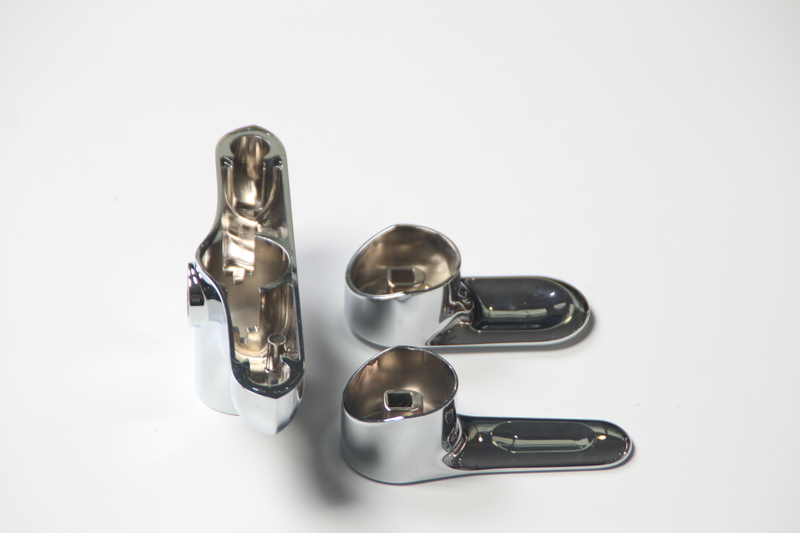
Die casting cycle time refers to the time it takes to complete one full production cycle of a die cast part. It includes several stages, from injecting molten metal into the mold to removing the solidified part. A shorter cycle time increases production speed, reducing the per-unit cost, making it a crucial factor in high-volume die casting.
● Injection: Molten metal is injected into the mold cavity under high pressure.
● Cooling: The metal cools and solidifies, taking the shape of the mold.
● Die Opening and Part Removal: Once cooled, the die opens, and the part is ejected from the mold.
● Trimming: Excess material, such as flash, is trimmed away.
Each stage plays a role in the overall cycle time, and optimizing these stages can lead to significant cost savings.
Several factors influence the duration of the die casting cycle. Understanding and optimizing these factors can drastically reduce cycle times and improve cost efficiency.
● Injection Speed: Faster injection speeds reduce the time taken to fill the mold, but excessive speed may lead to defects such as porosity.
● Cooling: Cooling time, or the time required for the metal to solidify, is one of the most significant contributors to cycle time. Faster cooling reduces overall cycle time but must be balanced with part quality.
● Die Shifting: The time taken for the mold to open and eject the part affects the overall cycle. If this process is too slow or inefficient, it adds unnecessary time.
Reducing cycle time is essential for improving productivity and lowering costs. Here are a few strategies to help optimize the cycle time in die casting production.
Adjusting the injection velocity and pressure is a key strategy for speeding up the die casting process. By fine-tuning these parameters, manufacturers can ensure that the mold fills quickly and efficiently, without compromising the quality of the part.
● Injection Speed: Increasing injection speed can reduce filling time, but it should be optimized to prevent defects.
● Injection Pressure: Managing pressure levels ensures that the molten metal flows evenly without overcompensating or underfilling the mold.
By optimizing these injection parameters, cycle time can be reduced without sacrificing part integrity.
Cooling time is often the most significant factor in die casting cycle time. Reducing this time can lead to substantial improvements in production speed.
● Water/Oil Cooling Units: Using water or oil-based cooling systems helps regulate the mold's temperature during the cooling phase. This results in faster solidification and shorter cycle times.
● Advanced Cooling Channels: Integrating more efficient cooling channels within the mold ensures more even cooling, reducing the need for extended waiting periods.
By improving cooling efficiency, manufacturers can reduce the time needed for parts to solidify, speeding up the overall process.
Automating post-casting processes like part removal and trimming can significantly reduce cycle time. Traditional manual labor for part ejection and trimming can slow down the entire production process.
● Robotic Systems: Automated robots can swiftly eject parts from the mold, reducing downtime between cycles. This also minimizes the risk of human error.
● CNC Machines for Trimming: After parts are ejected, CNC machines can automatically trim away excess material, speeding up post-casting operations.
This automation not only shortens cycle time but also increases consistency and reduces labor costs.
Strategy | Impact on Cycle Time | Cost Efficiency |
Injection Parameter Optimization | Faster filling of molds | Reduces energy and labor costs |
Cooling Time Reduction | Shortens cooling phase | Increases production rate |
Automating Part Removal | Reduces die opening and part ejection time | Cuts down on manual labor |
By focusing on these three key areas, manufacturers can reduce die casting cycle time, improving production efficiency and driving down costs.
To reduce unit costs in high-volume die casting, focus on optimizing design, tooling, material selection, and cycle time. Use efficient molds, select the right alloys, and streamline post-casting processes.
For manufacturers, applying these strategies will enhance efficiency, boost profitability, and reduce waste.
Consider implementing these practices in your die casting operations to see significant cost savings.


