
Views: 0 Author: Site Editor Publish Time: 2026-02-19 Origin: Site
Have you ever wondered why aluminum die casting parts sometimes fail to meet expectations? Porosity is a major issue.
Aluminum die casting is a crucial manufacturing process used to create high-precision components. However, porosity can significantly affect the quality and durability of these parts. At Diamond, we specialize in minimizing porosity to ensure the performance of our automotive, industrial, and precision components.
In this post, we’ll explore the common causes of porosity in aluminum die casting and offer effective solutions. You’ll learn how controlling porosity enhances product strength, sealing, and appearance, helping companies like Volkswagen, Tesla, and BYD achieve top-tier quality.
Porosity refers to the small voids or holes that appear inside aluminum die casting parts during the production process. These voids can weaken the overall strength and quality of the part, leading to a range of issues in its final performance. There are several types of porosity that manufacturers need to be aware of, each caused by different factors during the casting process.
1. Gas Porosity
● Gas porosity is caused when gases (like air or hydrogen) get trapped in the molten aluminum as it cools and solidifies.
● The primary reasons include moisture in the mold, improper venting, and turbulence in the molten metal.
● It usually appears as small, smooth cavities in the part, particularly near the surface.
2. Shrinkage Porosity
● As aluminum cools, it naturally shrinks. If there is insufficient molten metal to fill the voids created during this shrinkage, it results in cavities or porosity.
● This type of porosity is commonly found in thicker areas of the casting, where cooling occurs more slowly.
● Shrinkage porosity can be particularly damaging as it can lead to weak spots in the part that affect its structural integrity.
3. Moisture-Induced Porosity
● This occurs when moisture trapped in the mold or mold coating evaporates quickly during the casting process.
● The vapor forms gas pockets inside the aluminum, which creates surface and internal porosity.
● Poor mold maintenance and improper drying techniques are often the root causes of moisture-induced porosity.
At Diamond, we take every step necessary to control and eliminate porosity in our aluminum die casting parts. We understand that the success of high-precision components, such as those used in automotive applications, depends on the structural integrity and reliability of the part. Here's how we address each type of porosity:
● Gas Porosity: We optimize our molten aluminum smelting process by using rotary degassing equipment, ensuring minimal gas content in the aluminum. This reduces hydrogen absorption, ensuring the structural integrity of parts like camera housings for Tesla.
● Shrinkage Porosity: We pay close attention to mold design and cooling system optimization. For example, in high-precision automotive parts such as motor covers, we carefully control cooling rates to prevent shrinkage voids.
● Moisture-Induced Porosity: Through strict mold maintenance and proper drying techniques, we ensure that no moisture is trapped in the mold, preventing moisture-induced porosity in parts like electrophoretic waterproof aluminum housings.
Porosity can severely affect the performance and durability of aluminum die casting parts. Even small voids can have significant consequences. Here’s a breakdown of how porosity impacts mechanical properties:
● Strength and Durability: Porosity weakens the material, making it more susceptible to cracking under stress. This is especially important in automotive parts that require high strength.
● Fatigue Resistance: Voids in the metal can act as stress concentrators, leading to premature failure under repetitive loading conditions.
● Pressure Tightness: Porosity in critical areas like sealing surfaces can cause leaks, compromising the functionality of parts like automotive control units and industrial machine covers.
At Diamond, we ensure that our die casting parts meet the highest standards of quality by using advanced techniques and rigorous testing:
● We adopt high-vacuum die casting and simulation-based mold optimization to minimize porosity in automotive parts for major manufacturers like Daimler and BYD.
● Our ATEQ leak detection equipment helps identify and eliminate porosity-related defects before parts reach customers, ensuring their sealing performance is uncompromised.
Leaving porosity unaddressed in aluminum die casting parts can lead to:
● Increased Failure Rates: Parts with unresolved porosity are more likely to fail under operational stress, leading to costly recalls and product replacements.
● Reduced Performance: In industries like automotive and industrial machinery, porosity can directly impact the functionality of key components, affecting performance and safety.
● Higher Production Costs: Parts with porosity defects may need to be scrapped or reworked, leading to increased production costs and delays.
Ultimately, controlling and minimizing porosity is crucial for manufacturers to meet industry standards, maintain competitive edge, and deliver reliable products to clients across sectors like automotive, industrial, and aerospace.
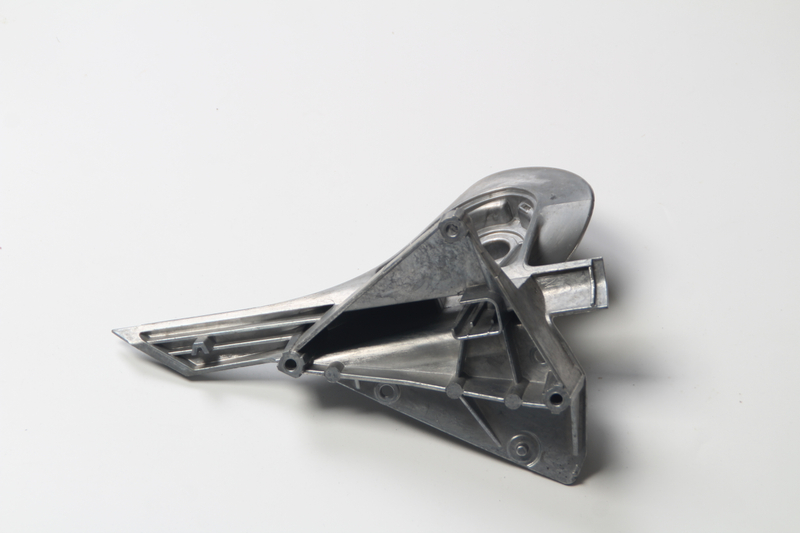
Gas entrapment is one of the most common causes of porosity in Aluminum Die Casting Parts. It occurs when gases such as air or hydrogen become trapped in the molten aluminum during the casting process. The molten metal is injected into the mold under pressure, and if the gas cannot escape, it forms tiny voids in the finished part.
Factors contributing to gas entrapment include:
● Moisture in the Mold: When moisture is present in the mold, it vaporizes during casting, forming gas pockets.
● Turbulence in the Molten Metal: If the molten aluminum flows too quickly or erratically, it can trap air within the liquid.
At Diamond, we address this issue by using rotary degassing equipment, which reduces the hydrogen content in the molten aluminum. This ensures the purity of the aluminum alloys used in critical automotive parts like camera housings. By removing excess gases, we prevent gas porosity and ensure stronger, more reliable parts.
As aluminum cools and solidifies, it shrinks. This natural contraction can create voids in the material, especially in thicker sections. Shrinkage porosity is a common issue in Aluminum Die Casting Parts, particularly when the molten metal is unable to fully fill all areas of the mold due to insufficient feed metal.
● Uneven Cooling: Thick sections of the part cool slower than thinner sections, leading to gaps where the metal shrinks.
● Insufficient Molten Metal: If the amount of molten aluminum is inadequate to compensate for shrinkage, voids form.
At Diamond, we optimize the cooling system to ensure uniform cooling across thick-walled parts like motor covers and heat sinks. Our advanced cooling channels and mold designs help control the rate at which aluminum solidifies, preventing shrinkage porosity and ensuring the integrity of each part.
Moisture-induced porosity happens when moisture in the mold or from the release agent used in the casting process turns to gas during metal injection. This trapped gas forms bubbles, creating porosity in the final product.
● Role of Moisture: Moisture can be present in the mold or release agents, causing gas to form during casting.
● Improper Mold Surface Treatment: If the mold isn’t properly dried or preheated, moisture may remain, leading to porosity.
Diamond ensures that our molds are regularly maintained and dried to prevent moisture-induced porosity. We also use precise spraying techniques with release agents to avoid excess moisture. This attention to detail prevents porosity in parts requiring high surface finishes, such as electrophoretic waterproof and passivated aluminum components.
Porosity Type | Causes | Diamond's Solution |
Gas Porosity | Moisture, turbulence, and improper venting | Rotary degassing to remove hydrogen and ensure aluminum purity |
Shrinkage Porosity | Uneven cooling and insufficient molten metal | Optimized cooling system for uniform solidification |
Moisture-Induced Porosity | Moisture in mold, release agents, improper drying | Regular mold maintenance and controlled release agent application |
By understanding these causes and applying the right solutions, Diamond ensures that its Aluminum Die Casting Parts meet the highest standards for strength and durability.
Controlling the smelting process is the first line of defense against gas porosity in Aluminum Die Casting Parts. One of the most critical aspects is managing hydrogen levels in the molten aluminum. When the metal is heated, it can absorb hydrogen from moisture in the air or from the raw materials. If the hydrogen content is too high, it can lead to gas porosity once the aluminum solidifies, causing voids and weakening the part’s structure.
At Diamond, we make sure to:
● Control hydrogen levels by using high-quality, impurity-free raw materials.
● Avoid excessive recycling of aluminum, as this can introduce moisture and contaminants.
● Use rotary degassing with inert gases like nitrogen or argon to remove dissolved hydrogen, ensuring the purity of the aluminum used in high-precision components for customers like Volkswagen and BYD.
This process ensures that our aluminum alloys are free of excessive gas, resulting in stronger, more reliable Aluminum Die Casting Parts.
A well-designed mold is essential for reducing gas entrapment and preventing gas porosity. The flow of molten metal needs to be carefully controlled to avoid turbulence and ensure that gas can escape from the mold. Proper venting and gating systems are critical for this process.
Diamond addresses these challenges by:
● Optimizing the gating system to ensure smooth molten metal flow and reduce turbulence, particularly in complex parts like rearview mirror brackets and automotive controller shells.
● Using simulation software to predict and reduce potential gas entrapment points before the casting process begins. This helps refine mold designs to minimize porosity in critical areas of the part.
By designing molds that allow gas to escape efficiently, we ensure that the parts maintain their structural integrity and meet stringent industry standards.
Another highly effective method for solving gas porosity is vacuum-assisted die casting. This technique reduces air entrapment by creating a vacuum within the mold, allowing the molten aluminum to fill the mold more smoothly. The vacuum reduces the presence of trapped gases and ensures higher-quality castings.
At Diamond, we use vacuum die casting technology for high-precision components, especially in the automotive sector. For example:
● E-vehicle heat sinks for Tesla are produced using this advanced technique, ensuring that gas porosity is minimized and the parts meet the high-performance demands of the electric vehicle industry.
This method guarantees a cleaner casting process, which is particularly important for parts that require high strength and precise dimensions.
Method | Description | Diamond's Solution |
Rotary Degassing | Removes dissolved hydrogen to prevent gas porosity | Use of inert gases like nitrogen or argon for aluminum purity |
Optimized Mold Design | Enhances venting and gating systems to let gas escape | Simulation software and mold design improvements for precision |
Vacuum Die Casting | Reduces air entrapment by creating a vacuum in the mold | Implementation of high-vacuum technology for parts like Tesla heat sinks |
Shrinkage porosity in Aluminum Die Casting Parts often occurs when the part cools unevenly. As aluminum solidifies, it shrinks, and if the wall thickness isn’t uniform, some areas may solidify faster than others. This can create voids where molten metal can’t flow, resulting in shrinkage porosity.
● Uneven cooling: Thick sections cool more slowly, while thin sections cool faster, creating areas of shrinkage.
● Inadequate molten metal: If the aluminum can’t reach the thicker areas in time, voids form.
At Diamond, we emphasize uniform wall thickness throughout our parts to prevent this issue. For example, in components like automotive heat sinks and motor housings, we ensure that the design is optimized for even cooling, reducing the risk of shrinkage porosity.
Controlling the injection speed and pressure is another key factor in minimizing shrinkage porosity. The speed at which molten aluminum is injected into the mold can significantly affect how well it fills the mold and whether shrinkage occurs. Faster injection speeds can introduce turbulence, leading to air entrapment and porosity. On the other hand, too slow a speed may not properly fill thicker sections of the mold.
● Injection speed: Proper adjustment is critical to control the flow of the molten metal, ensuring it fills the mold evenly.
● Pressure holding: Maintaining pressure during solidification helps to compensate for shrinkage by ensuring that the mold is adequately filled.
Diamond uses a stage-controlled injection process, which optimizes the speed and pressure to avoid turbulence. This approach ensures that parts like Ford and Hyundai automotive components, particularly those with thick sections, are free from shrinkage porosity.
An efficient cooling system is essential to minimize shrinkage porosity. If the cooling is uneven, thicker parts may solidify slowly, leading to the formation of shrinkage voids. Well-designed cooling channels help to control the rate at which different parts of the casting solidify, ensuring uniform cooling throughout the mold.
● Cooling channels: Strategically placed channels ensure that thicker sections cool at the right rate, preventing void formation.
● Even temperature distribution: Proper cooling avoids hot spots, which can lead to uneven solidification.
At Diamond, we focus on cooling optimization for Aluminum Die Casting Parts by designing custom cooling channels. These are tailored for thick-walled parts like automotive heat sinks to ensure even cooling and reduce shrinkage porosity.
Process | Goal | Diamond’s Approach |
Uniform Wall Thickness | Ensure even cooling and prevent shrinkage voids | Maintain consistent wall thickness in complex parts |
Optimize Injection Speed | Control molten metal flow and prevent turbulence | Stage-controlled injection for optimal flow and pressure |
Cooling System Design | Ensure even temperature distribution for uniform cooling | Custom cooling channels designed for thick-walled parts |
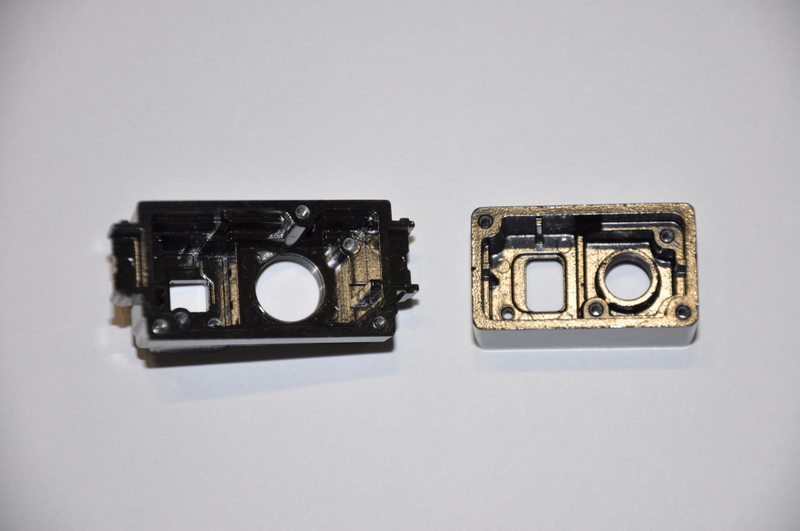
Moisture-induced porosity occurs when moisture trapped in the mold or mold coating evaporates during casting. This vapor forms gas pockets that get trapped inside the Aluminum Die Casting Parts, leading to defects. The key to preventing moisture-related porosity is controlling the mold surface treatment, including using the right release agents and ensuring proper preheating.
● Release agents: Using the correct release agent is crucial to avoid excessive moisture, which can cause gas formation. Too much release agent can trap moisture in the mold.
● Preheating the mold: Before casting, molds should be properly preheated to allow any residual moisture to evaporate, preventing it from turning into gas.
Diamond takes extra care in surface preparation to avoid moisture-related issues. We ensure that all our molds are thoroughly cleaned and preheated, especially when working on high-precision industrial motor covers or electrophoretic waterproofing parts. This meticulous process helps maintain high quality and consistency in our Aluminum Die Casting Parts.
Effective mold venting and drying are essential steps in preventing moisture-induced porosity. Proper venting ensures that gases, including moisture vapor, have an escape route during the casting process. Without adequate venting, gas gets trapped inside the mold, creating porosity in the final part.
● Venting: Properly designed vents allow moisture to escape during the casting process, reducing the risk of trapped gas.
● Drying: Mold drying is essential before each casting run to remove moisture from the mold and prevent any trapped vapor.
Diamond invests in regular mold maintenance, including cleaning and inspecting venting systems. By ensuring vents are clear and functioning, we eliminate the risk of blockages and ensure efficient gas evacuation. Our mold maintenance practices are designed to ensure optimal performance and prevent moisture-related porosity, especially in Aluminum Die Casting Parts like those used in automotive and industrial applications.
Prevention Method | Description | Diamond's Solution |
Release Agents | Control moisture and avoid excess residue | Use precise release agents and apply sparingly |
Mold Preheating | Evaporate residual moisture to prevent vapor formation | Thoroughly preheat molds before casting |
Venting | Ensure moisture can escape and prevent gas entrapment | Regular mold vent cleaning and optimization |
Mold Drying | Remove moisture before casting to avoid vapor issues | Implement consistent mold drying procedures |
To solve porosity issues in Aluminum Die Casting Parts, key solutions include proper mold design, process optimization, and advanced techniques like vacuum die casting. Diamond’s commitment to quality ensures reliable, high-performance parts for leading companies like Ford and Tesla.
Addressing porosity directly improves product performance, longevity, and reliability. Manufacturers should assess their processes and implement advanced solutions to minimize porosity and ensure top-quality products.
A: The most common types of porosity in Aluminum Die Casting Parts are gas porosity and shrinkage porosity, caused by trapped gases and uneven cooling during solidification.
A: To reduce gas porosity, optimize molten aluminum smelting, use rotary degassing with inert gases, and improve mold venting to allow trapped gas to escape.
A: Proper mold design ensures uniform wall thickness and optimized cooling systems, which help prevent shrinkage by promoting even solidification.
A: Ensure proper mold maintenance, use the right release agents, and preheat molds to remove moisture before casting, preventing gas formation.
A: Vacuum die casting reduces air entrapment by creating a vacuum in the mold, minimizing gas porosity and improving casting quality.


