
Views: 0 Author: Site Editor Publish Time: 2026-02-26 Origin: Site
Why do precise tolerances matter in die casting? Small variations in dimensions can impact functionality and fit, leading to costly errors.
For international buyers, understanding these tolerances is crucial to ensuring the quality of parts in global supply chains. This is especially true for industries like automotive, electronics, and medical devices, where precision is critical.
In this article, we’ll explore what precision tolerances in die casting are, why they matter, and how to navigate them for successful international procurement. You’ll learn how top manufacturers like Kunshan Diamond Precision Mold Co., Ltd. meet the highest standards for global clients.
Die casting tolerances refer to the permissible variation in the dimensions of a cast part. Simply put, it's the allowable difference between the actual dimensions of the part and the nominal (designed) dimensions. Precision in this aspect ensures that components fit together properly, making them usable in their intended application without the need for excessive post-production adjustments.
There are two primary types of die casting tolerances:
● Linear Tolerances: These deal with the basic length, width, and height of a part, specifying how much a part’s dimensions can deviate in any given direction.
● Geometric Tolerances: These go a step further, controlling factors like flatness, parallelism, and angularity, which affect the part’s overall shape and how it aligns with other components during assembly.
Kunshan Diamond Precision Mold Co., Ltd. uses advanced systems to meet tight tolerances in even the most complex automotive components, like controller shells and structural gear parts. With such precise control, they can achieve tolerances as tight as ±0.05 mm, ensuring high-quality, fully functional products.
Tolerances in die casting are not just about measurements; they play a crucial role in ensuring the performance and fit of parts in real-world applications. When parts are cast with precise tolerances, they fit together seamlessly without the need for extra machining or rework. This reduces time, cost, and the chance of defects.
Here’s why they matter:
● Proper Fit: Parts must match the design specifications to ensure proper assembly and function. Even small deviations can cause misalignment, assembly difficulties, or even failure in operation.
● Cost-Efficiency: The tighter the tolerances, the more expensive the production. However, too loose tolerances can lead to poor fit, assembly issues, and defects, which could cost more in the long run due to rework or part replacements.
● Performance: High-precision parts improve the overall functionality of the final product. For example, in automotive components, any slight misfit can affect performance, such as in steering or braking systems.
By focusing on strict tolerance control, Diamond ensures that its products meet the highest standards for industries where precision is key, such as automotive and industrial sectors. This results in parts that perform well, even under demanding conditions, ensuring no assembly gaps or misalignments.
Key Benefits of Proper Tolerances:
● Avoids rework and machining costs.
● Reduces assembly errors and improves reliability.
● Guarantees better part performance and fit.
Here's a table to illustrate the difference between linear and geometric tolerances, as well as typical applications:
Tolerance Type | Examples | Typical Applications |
Linear Tolerances | Length, width, thickness | General parts like motor covers |
Geometric Tolerances | Flatness, parallelism, angularity | Automotive parts, critical assemblies |
Tight tolerance management is particularly important for industries like automotive, where components like engine parts and chassis must align perfectly for the system to function. This is where Diamond’s expertise shines, ensuring that automotive manufacturers like Volkswagen and Tesla receive parts that meet their exacting specifications.
By maintaining precise tolerance control, companies like Kunshan Diamond help avoid the hidden costs of poor-fitting parts—delays, additional machining, and assembly headaches. Through experience and rigorous process controls, they deliver components that are ready for integration without compromise.
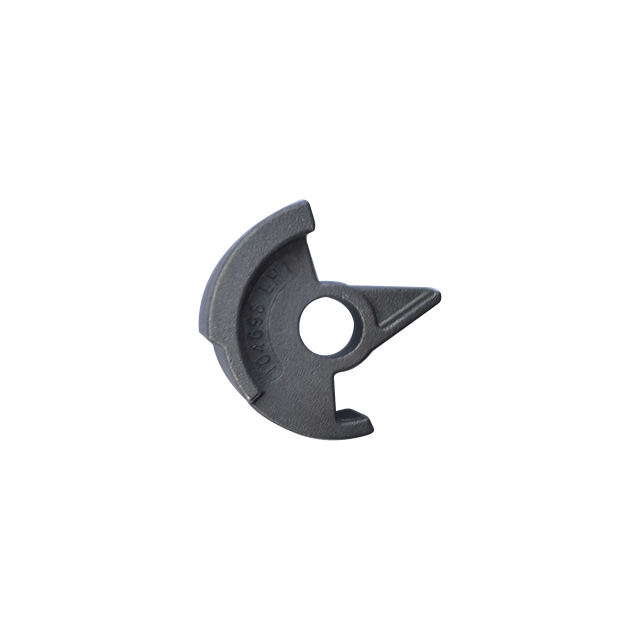
When it comes to die casting, two of the most recognized international standards are ISO 8062-3 and the NADCA guidelines. These standards provide the framework for dimensional tolerance requirements in die casting, ensuring that parts meet high-quality specifications.
● ISO 8062-3: This is the international standard for dimensional casting tolerances, specifying acceptable limits for parts based on their size and the casting method. It provides a uniform approach for measuring tolerances across global suppliers, ensuring consistency.
● NADCA (North American Die Casting Association): NADCA sets tolerance guidelines, offering specific criteria for aluminum, zinc, and magnesium die castings. These standards vary depending on part dimensions and metal types, and they help manufacturers balance precision with cost.
DCTG Levels (Dimensional Casting Tolerance Grades) are a key part of these guidelines. These levels range from DCTG 1, the tightest tolerance, to DCTG 16, the loosest.
DCTG Level | Tolerance Range | Typical Applications |
DCTG 1 | ±0.002 in/in (±0.05 mm/25 mm) | High-precision automotive parts |
DCTG 5-6 | ±0.005 in/in (±0.13 mm/25 mm) | General industrial components |
DCTG 16 | ±0.020 in/in (±0.5 mm/25 mm) | Larger, less precise parts |
Kunshan Diamond Precision Mold Co., Ltd. adheres strictly to these standards, ensuring that its die-cast products meet international benchmarks for dimensional accuracy. This enables their parts to seamlessly integrate into high-end applications, including automotive and aerospace systems.
Different industries require varying degrees of precision when it comes to die casting tolerances. For industries such as automotive, aerospace, and medical devices, even the slightest deviation can compromise part performance, making it essential to follow strict tolerance standards.
● Automotive: Precision parts like inertia lock components require tight tolerances of ±0.05 mm to meet the performance needs of automotive manufacturers like Daimler Benz and Tesla.
● Aerospace: Components used in aircraft engines or airframes demand ultra-tight tolerances, often falling within the DCTG 1-3 range to ensure safety and reliability.
● Medical Devices: Parts used in medical devices must meet the highest precision standards, ensuring that they function safely and effectively within strict regulatory requirements.
Diamond’s commitment to meeting these high standards is reflected in its close partnerships with leading manufacturers in these industries. By consistently producing high-precision die casting components, they ensure that the parts can withstand the most demanding applications, providing superior performance and durability.
Not all parts need the same level of precision. While standard tolerances are typically adequate for general structural parts, precision tolerances are essential when working with critical components that require tight fit and function.
● Standard Tolerances: These are often sufficient for parts where perfect alignment isn’t critical. For example, general automotive components might be acceptable within ±0.1 mm tolerances.
● Precision Tolerances: These are necessary for parts where slight variations can lead to functional failure. Critical automotive components like steering mechanisms or brake parts require tolerances as tight as ±0.05 mm, where even the smallest deviation could affect safety or performance.
Kunshan Diamond’s expertise ensures that even these high-precision components are delivered to exacting specifications. For instance, their work with automotive leaders like Tesla involves creating parts that meet the tightest tolerances to ensure proper function and seamless assembly.
Tolerance Type | Typical Range | Application Examples |
Standard Tolerances | ±0.05 to ±0.10 mm | Structural components |
Precision Tolerances | ±0.01 to ±0.05 mm | Critical automotive parts |
Ultra-Precision | ±0.002 to ±0.005 mm | Aerospace, medical devices |
Precision tolerances, though often more expensive to produce, ensure that Diamond’s products meet the highest quality standards demanded by industries such as automotive, aerospace, and medical fields. This results in parts that fit perfectly, perform reliably, and require no further adjustments during assembly.
By understanding and adhering to these established standards, manufacturers can ensure that their die casting processes meet the necessary precision, helping them remain competitive in industries where quality and reliability are paramount.
In die casting, linear tolerances refer to the allowable variation in the length, width, and thickness of a part. These tolerances are critical for ensuring that cast parts fit together properly in assemblies without the need for excessive post-production adjustments.
Here are some common examples:
● Length: The measurement from one end of the part to the other.
● Width: The measurement across the part’s surface.
● Thickness: The depth or width of a part.
Typical Tolerance Ranges for Different Alloys:
● Zinc alloy: ±0.025 mm (±0.001").
● Aluminum alloy: ±0.05 mm (±0.002").
These tolerances ensure that parts like motor covers or automotive components produced by Kunshan Diamond Precision Mold Co., Ltd. fit together without any issues. Diamond’s expertise allows them to manage these tolerances with precision, ensuring that even the most intricate components meet the required specifications.
Material | Tolerance Range | Common Applications |
Zinc alloy | ±0.025 mm (±0.001") | Small automotive parts, motor covers |
Aluminum alloy | ±0.05 mm (±0.002") | Structural parts, gear wheels |
Geometric tolerances are more complex and focus on the shape, orientation, and position of features within the part. These tolerances are crucial for parts that need to align perfectly with other components, especially in demanding applications like automotive die casting bases.
Key types of geometric tolerances include:
● Flatness: Ensures a surface is level and uniform.
● Parallelism: Ensures two surfaces or lines remain parallel.
● Angularity: Controls the angle between two surfaces or lines.
For example, Diamond uses ATEQ Leak Detection and other advanced testing equipment to ensure parts like automotive die casting bases meet the required flatness and parallelism tolerances. This technology guarantees that every component fits precisely in assembly without any discrepancies.
The parting line tolerance deals with the separation between two halves of a die. This shift can affect the dimensional accuracy of a part, especially in complex designs like aluminum alloy gear wheels. When parts are cast, a slight misalignment at the parting line can result in mismatched edges, leading to fit and assembly issues.
To avoid these complications, Kunshan Diamond employs a strict tolerance control system. By managing parting line shifts effectively, they prevent assembly gaps and ensure that structural components fit perfectly. This attention to detail is vital in industries where accuracy and reliability are non-negotiable.
Tolerance Type | Tolerance Range | Typical Applications |
Parting Line | ±0.05 mm to ±0.1 mm | Gear wheels, complex automotive parts |
By carefully monitoring parting line tolerances and ensuring consistent control, Diamond provides high-quality products that meet the toughest industry standards, ensuring seamless integration into larger assemblies.
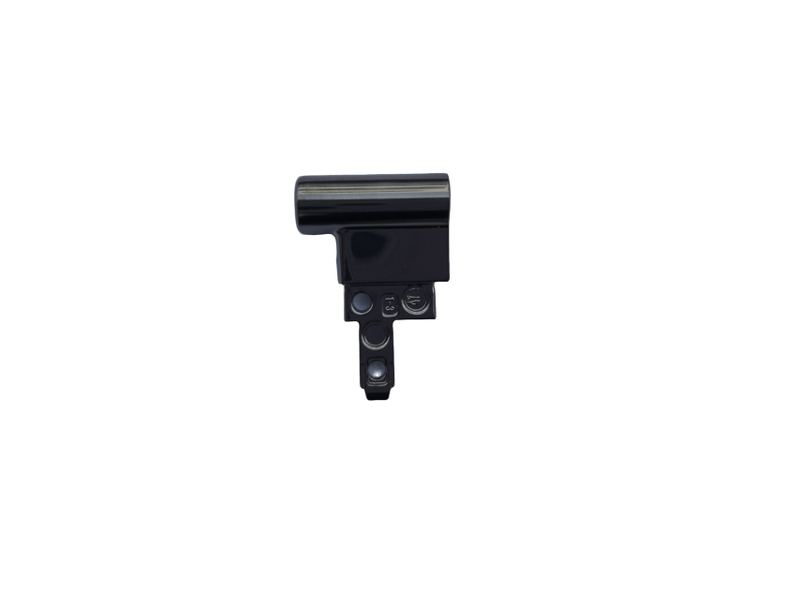
When it comes to die casting, the choice of alloy plays a huge role in achieving precise tolerances. Different materials, such as zinc, aluminum, and magnesium, have varying shrinkage rates and solidification properties. These factors influence how closely the final product can match its designed dimensions.
For example:
● Zinc alloy has a lower shrinkage rate, making it easier to achieve tighter tolerances.
● Aluminum alloy tends to shrink more, which can lead to slight deviations in the final part if not carefully managed.
● Magnesium alloy provides good dimensional stability but can be more prone to issues during cooling.
Kunshan Diamond Precision Mold Co., Ltd. is well-versed in selecting the right alloy for each specific application, ensuring minimal deviation during the casting process. This expertise is crucial for industries such as automotive and communications, where even the slightest dimensional shift can compromise part functionality.
Alloy Type | Shrinkage Rate | Typical Applications |
Zinc Alloy | Low shrinkage | Small automotive parts, consumer electronics |
Aluminum Alloy | Moderate shrinkage | Automotive components, structural parts |
Magnesium Alloy | High shrinkage | Aerospace, lightweight parts |
The die design and the quality of tooling directly affect the precision of die casting. If the die isn’t made to exact specifications, even the best materials and processes won’t produce parts with consistent tolerances. The die must be capable of handling high pressure and maintaining uniformity over multiple cycles.
Diamond uses advanced tooling equipment, including CNC machines, to ensure consistency and durability in the mold production process. This helps maintain precise control over the dimensions of the part and allows for tighter tolerances, even for complex automotive components like gear wheels or motor covers.
The precision of the tooling not only impacts the part’s dimensions but also influences the overall production efficiency. A well-maintained die reduces the chance of defects and ensures that each part is manufactured to the required standard.
In die casting, controlling the process parameters is just as important as choosing the right material or tooling. Parameters such as injection pressure, cooling rate, and mold temperature all contribute to the final part's dimensional accuracy. Any fluctuation can lead to part defects or dimensional inconsistency.
Diamond’s advanced machines, like the C350J Aluminum Alloy Die Casting Machine and Foley Die Casting Machine, help maintain these critical parameters with high precision. The use of these state-of-the-art machines ensures that parts are cast consistently within the specified tolerances, avoiding issues such as warping or misalignment.
By carefully controlling the injection pressure and cooling rates, Diamond ensures that even complex die casting parts like automotive structural components meet the highest standards for accuracy.
Parameter | Impact on Tolerances | Diamond's Control Mechanism |
Injection Pressure | Affects part density and filling | Monitored with precise machinery |
Cooling Rate | Determines shrinkage and warping | Controlled through advanced cooling systems |
Mold Temperature | Impacts part integrity and surface quality | Consistently regulated for optimal results |
Each of these factors plays a pivotal role in delivering die-cast parts that meet industry standards, and Diamond integrates this control throughout its production process to deliver the best results for its clients.
Precision tolerances are critical for ensuring part quality and functionality in international trade. Diamond’s expertise in precision die casting, backed by years of experience and certifications, guarantees that parts meet the highest standards of dimensional accuracy and reliability.
For more information on selecting a reliable die casting partner or personalized consultation on tolerance specifications, contact Diamond today.


