
Views: 0 Author: Site Editor Publish Time: 2026-02-12 Origin: Site
You might wonder if choosing a cheap Die Casting Mold really helps your business save money in the long run. Low-cost molds can bring hidden risks, such as higher defect rates, unexpected downtime, and poor product quality. These problems can damage your bottom line and your reputation. Leading manufacturers like Kunshan Diamond Precision Mold Co., Ltd. set the standard for quality and reliability in zinc alloy die casting products.
You may notice that many buyers choose a die casting mold based on the initial price. The promise of quick savings can seem hard to resist, especially when you need to control your budget. Many low-cost molds come from regions with lower direct-labor costs, such as China. This makes the upfront cost much lower than molds made to higher standards. For businesses with tight margins, these savings can look like a smart move. However, the die casting process often requires more than just a low price. You need to think about how the mold will perform over time and how it will affect your total cost.
Speed matters in manufacturing. You want your die casting components delivered quickly so you can keep your production on schedule. Cheap molds often promise fast delivery because they are designed for lower production volume and quick turnaround. This can help you launch new products or meet urgent orders. However, a mold that is made quickly may not always meet the quality you expect. The die casting process relies on precise design and careful planning. If the design is rushed, you may face problems later in production, such as defects or delays.
Note: Fast availability can help you respond to market changes, but it should not come at the expense of quality or efficiency.
You might believe that a low-cost die casting mold offers the best value for your business. Many buyers see the lower price as a way to maximize efficiency and reduce waste. Today, more buyers also care about sustainability and want casting solutions that use recyclable materials and environmentally friendly processes. The die casting industry has started to use robotics and automation to improve precision and lower labor costs. Smart factories now use AI-driven tools to keep quality high and reduce waste. These changes make the die casting process more reliable and cost-efficient. When you choose a mold, you should look beyond the price and consider how the design, production methods, and long-term performance will impact your business.
Buyers often choose low-cost die casting molds for these reasons:
Lower direct-labor costs in some regions
Quick delivery for lower production volume
The belief that initial savings will lead to long-term value
You should always weigh these factors against the potential impact on product quality, efficiency, and the total cost of ownership.
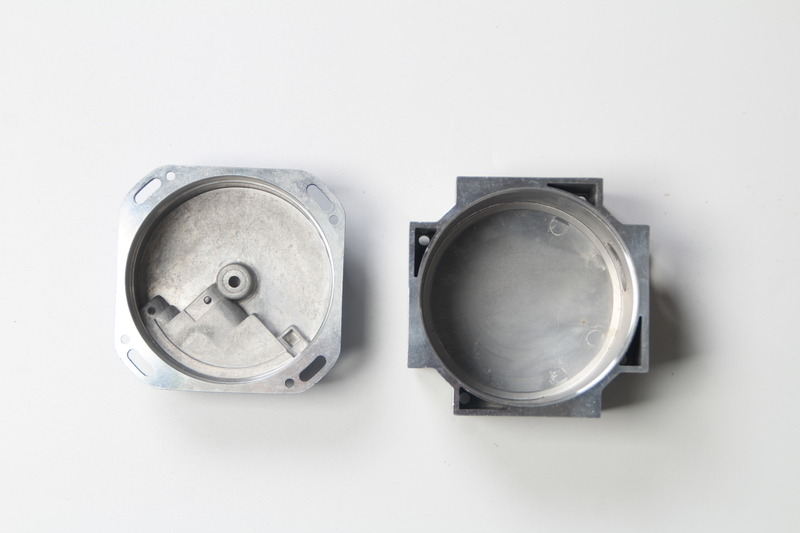
You face many hidden costs when you choose a low-quality die casting mold. Common defects such as flash, sink marks, and burns can appear during the die casting process. These flaws increase scrap rates and force you to discard more parts. You spend more on materials and labor, which reduces your savings and affects your bottom line. The die casting process relies on precise tolerances and careful design. If the mold does not meet these standards, you see higher rejection rates and wasted resources.
Impact | Description | Cost Implication |
|---|---|---|
Increased Scrap Rates | Higher scrap rates increase material and production costs. | Each percentage point can add 5% to production costs. |
Extended Production Timelines | Delays due to defects can extend timelines and disrupt schedules. | Production delays can cost companies an average of $10,000 per day. |
Quality Control and Rework | The expense of reworking defective parts or scrapping them altogether adds up. | Quality control measures can account for up to 15% of total manufacturing costs. |
Customer Satisfaction | Poor-quality castings can diminish product performance and customer trust. | 80% of customers won’t return after a negative experience. |
You must consider these cost drivers when you plan for mass production. Defects not only raise operational costs but also damage your reputation. High scrap rates make it harder to achieve efficiency and meet production targets.
Low-quality molds require frequent maintenance and repairs. You deal with unscheduled downtime that can last from 8 to 72 hours, which disrupts your production schedule. Poor maintenance causes 47% of premature tooling failures. The average cost of unplanned repairs for low-quality molds reaches $740,000 annually. These expenses add up quickly and reduce your overall profitability.
Aspect | Low-Quality Molds | High-Precision Molds |
|---|---|---|
Maintenance Frequency | Higher due to more frequent failures | Lower with proactive maintenance |
Cost of Unplanned Repairs | Average cost of $740k annually | Significantly lower due to reliability |
Downtime Duration | 8–72 hours for emergency repairs | Minimal with routine maintenance |
Tool Lifespan Extension | 200–500% with routine maintenance | Longer lifespan with less degradation |
You may encounter these hidden costs:
Maintenance and repair costs increase operational costs.
Design changes lead to wasted time and materials.
Delivery delays disrupt production schedules and reduce client trust.
You need to factor in initial setup costs and tooling cost when you select a die casting mold. Frequent breakdowns and repairs make it difficult to maintain efficiency and meet volume targets.
Poor mold precision affects the quality of your die casting components. You see inconsistent dimensional accuracy, which makes parts unsuitable for assembly or use. Increased scrap rates result from defective parts, leading to wasted materials and higher costs. Reduced product lifespan means your casting parts wear out faster, which lowers reliability and customer satisfaction.
Product Quality Issue | Description |
|---|---|
Inconsistent Dimensional Accuracy | Variations in size and shape of parts, making them unsuitable for assembly or use. |
Increased Scrap Rates | Higher rejection rates due to defective parts, leading to wasted materials and increased costs. |
Reduced Product Lifespan | Parts with structural weaknesses prone to early wear, reducing longevity and reliability. |
The cost of poor quality includes warranty claims, customer complaints, and product returns. You see a direct correlation between low-quality die casting molds and increased external failure costs. Customer complaints rise when casting parts fail to meet expectations. Warranty claims and product returns increase, which affects your profitability and reputation.
Note: Leading manufacturers like Kunshan Diamond Precision Mold Co., Ltd. use strict quality assurance standards to minimize defects. They follow dimensional tolerances of ±0.005 mm (DIN 8589), surface finish requirements of ≤ Ra 0.2 μm (ISO 1302), and die hardness standards of 60–64 HRC (ASTM E18). You can request ISO 9001 or IATF 16949 certifications, conduct sample testing for wear resistance, and audit factory KPIs to ensure high-quality die casting products.
You must prioritize mold precision and quality to achieve long-term savings and reliable production. High-precision molds allow you to produce complex geometries with tight tolerances, which improves efficiency and reduces operational costs. When you invest in quality, you protect your business from hidden costs and build trust with your customers.
You achieve consistent product quality when you use precision molds in the die casting process. Precision molds help you produce casting parts with tight tolerances, which means each die casting component matches the design specifications. This consistency is essential for high-volume production and mass production. You avoid issues with dimensional accuracy and complex geometries. When you meet tight tolerances, you reduce the risk of defects and ensure your casting parts fit together perfectly. Consistent quality builds trust with your customers and supports your reputation.
Tip: Precision molds allow you to manufacture casting parts that meet strict durability requirements and withstand demanding applications.
Precision molds are engineered to create casting parts that meet quality standards from the first production attempt. You see a significant reduction in scrap and rework during the die casting process. This improvement conserves raw materials and lowers operational costs. You spend less on labor and avoid unnecessary tooling cost. When you minimize waste, you boost efficiency and maximize savings. Reduced rework also shortens production timelines, helping you deliver casting components on schedule.
Benefits of reduced waste and rework:
Lower initial setup costs
Fewer rejected casting parts
Improved production volume and efficiency
Durability plays a key role in your die casting mold investment. Precision molds last longer and withstand more cycles than low-cost alternatives. You gain long-term savings by reducing replacement frequency and maintenance needs. The table below shows the average lifespan of different die casting molds:
Mold Class | Average Lifespan (Cycles) |
|---|---|
High-End Molds | Over 1,000,000 cycles |
Mid-Range Molds | 100,000 to 500,000 cycles |
Lower-End Molds | 10,000 to 25,000 cycles (Class 104) and under 500 cycles (Class 105) |
You meet durability requirements for demanding applications and complex geometries. Longer mold life means fewer interruptions in production and lower cost drivers. You protect your investment and achieve reliable long-term savings. When you choose precision molds, you support efficient die casting operations and maintain high standards for casting quality.
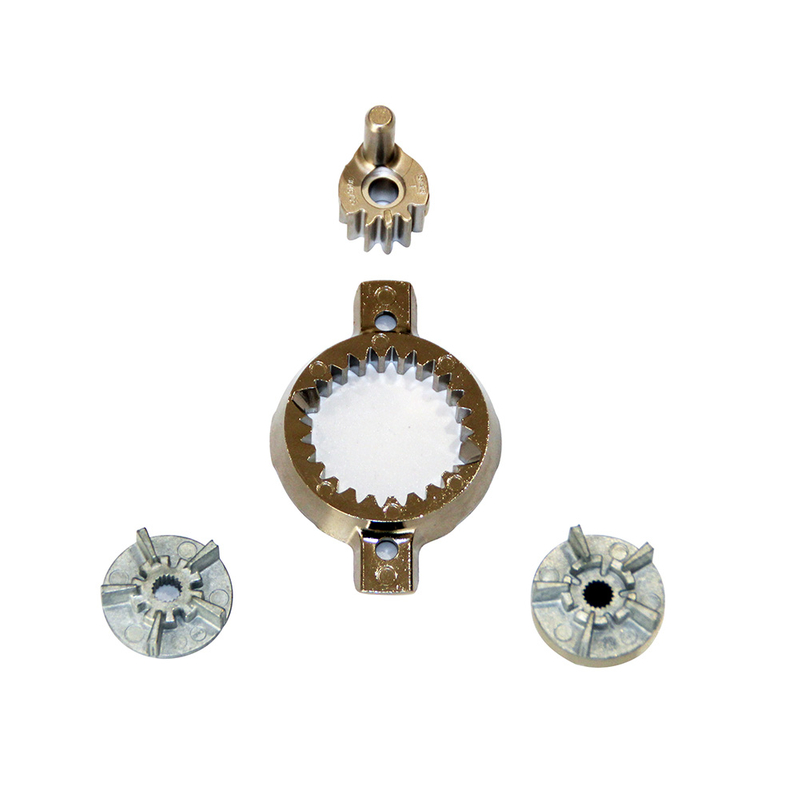
You might see a cheap die casting mold as a quick way to save money. The initial tooling cost often looks much lower than a precision mold. However, you need to look beyond the first invoice. Cheap molds can lead to higher costs over time. You may face more frequent repairs, increased scrap, and even lost business due to poor product quality.
Let’s compare the cost structure for different casting methods:
Cost Component | Die Casting | Investment Casting |
|---|---|---|
Tooling Cost | Very high | Moderate |
Material Cost | Usually lower per unit | Slightly higher per unit |
Labor/Post-Processing | Minimal | More intensive |
Production Volume | Best for high-volume production | More viable at low to medium volumes |
When you choose a cheap die, you might pay less at first. Over time, you spend more on maintenance, scrap, and downtime. Precision molds require a higher upfront investment, but they deliver lower per-part costs and fewer production issues.
A real-world comparison shows the difference:
Aspect | Cheap Die Casting | Precision Die Casting |
|---|---|---|
Tooling Costs | Lower initial investment | Higher initial investment |
Production Volume | Suitable for low volume | Best for high volume |
Per-Part Pricing | Higher per-part cost | Lower per-part cost |
Long-term Savings | Limited savings potential | Significant savings over time |
You can see that precision molds become more cost-effective as your production volume grows. The die casting process rewards long-term thinking.
You want to get the best return on your investment. Precision die casting molds help you reach this goal. They reduce waste, improve efficiency, and keep your production process running smoothly. You spend less on labor and repairs because the die lasts longer and needs fewer adjustments.
To maximize ROI, focus on these factors:
Understand your cost structure. Know where your money goes during the die casting process.
Improve efficiency by reducing mold handling and changeover times.
Increase safety by minimizing manual lifting of heavy dies.
Save directly by lowering labor costs and reducing mold damage.
Companies measure ROI by looking at the entire product lifecycle. You should consider:
Scalability: Can your mold handle increased production or design changes?
Regulatory compliance: Does your process meet industry and safety standards?
Innovation: Are you using advanced materials and manufacturing techniques?
Long-term ROI: Compare the cost of ownership, maintenance, and lifespan to your initial investment.
Tip: Flexible draft angles and tailored tolerances can extend mold life and reduce costs. Early collaboration with your supplier helps you spot design issues before production starts.
You can make smarter decisions by following a few key steps. Start by matching your mold material to your workpiece and process. Evaluate your tolerance requirements and make sure your die can meet them. Align your mold design with your production volume and changeover needs. Use a checklist before you request quotes or approve a supplier.
Here are some criteria to help you evaluate die casting mold suppliers:
Criteria | Description |
|---|---|
Technical Capabilities | Check the supplier’s expertise in process design, material science, and tooling. |
Quality Management | Look for ISO 9001 certification and use of Statistical Process Control (SPC). |
Operational Excellence | Assess the factory’s scale and the modernity of its equipment. |
Partnership Value | Make sure the supplier’s goals align with your business objectives. |
You should also:
Ask about continuous improvement programs and process changes.
Request documentation during audits.
Trust your instincts if something feels off.
Follow these steps to prioritize ROI:
Match mold material to your workpiece and process.
Evaluate tolerance requirements against mold capability.
Align mold design with your production volume and changeover needs.
Use a step-by-step checklist before issuing an RFQ or approving a quote.
Maintain operational discipline to prevent premature mold failures.
By focusing on these strategies, you can find cost-effective solutions that support high-volume production and deliver reliable casting components. You protect your investment and ensure your die casting process remains efficient and profitable.
Cheap die casting molds often cause higher total costs and lower ROI. You face downtime, labor expenses, and quality issues that hurt your business. Precision and quality molds support growth by improving product quality, efficiency, and compliance. Reliable partners like Kunshan Diamond Precision Mold Co., Ltd. help you avoid reputational risks. To assess mold quality, follow these steps:
Inspect mold surfaces and check for wear.
Confirm product parameters and conduct regular inspections.
Involve quality inspectors and review supplier expertise.
Cost Driver | Description |
|---|---|
Downtime Costs | $200-400 per hour lost in production |
Quality Issues | Increased scrap rates and lost orders |
Choose quality molds to protect your reputation and maximize long-term value.
You often see flash, sink marks, and burns. These defects increase scrap rates and lower product quality. You may need to spend more on rework and materials.
High-precision molds reduce waste and rework. You save money on materials and labor. You also avoid costly downtime and customer complaints.
Certified suppliers follow strict quality standards. You get reliable products and fewer defects. You also build trust with your customers.
Inspect the mold surface for wear.
Confirm dimensional accuracy with sample parts.
Review the supplier’s certifications and test reports.
You get more value and fewer interruptions with precision molds.


