
Views: 0 Author: Site Editor Publish Time: 2026-02-23 Origin: Site
Have you ever faced production delays or defects in your injection molding projects? Mold Flow Analysis (MFA) is here to help.
MFA simulates how molten plastic flows through a mold, ensuring designs are optimized before production starts. For complex injection molding projects, it’s essential to avoid issues like warping, air traps, and short shots.
In this article, we’ll discuss the importance of Mold Flow Analysis, its role in overcoming challenges in injection molding, and how companies like Diamond use it to deliver high-quality, efficient results in automotive and industrial applications.
Injection molding is a widely used manufacturing process for producing parts by injecting molten material into a mold. This method is ideal for producing large quantities of identical items with high precision. The process involves heating plastic pellets until they melt and then injecting the liquid material into a mold cavity under pressure. Once the material cools and solidifies, the part is ejected from the mold. This allows manufacturers to create complex shapes and parts efficiently.
In injection molding, molten plastic is forced into a precisely designed mold cavity. Here's a simple breakdown of the steps involved:
1. Plastic Pellets are Heated: The process begins by heating solid plastic pellets until they reach a liquid state.
2. Injection into Mold: The molten plastic is injected into the mold cavity using a high-pressure injection system.
3. Cooling and Solidification: Once injected, the plastic cools, solidifies, and takes the shape of the mold.
4. Ejection of the Molded Part: After cooling, the mold opens, and the newly formed part is ejected.
This process is highly effective for creating parts in various industries, including automotive, electronics, and medical devices.
A variety of materials are used in injection molding, each offering distinct advantages depending on the requirements of the part being produced. Common materials include:
● Thermoplastics: These are the most commonly used materials for injection molding, known for their ability to be melted and re-molded multiple times. Examples include ABS, polypropylene (PP), and polycarbonate (PC).
● Thermosets: These materials solidify after being heated and cannot be re-melted. Examples include epoxy and phenolic resins, which are ideal for parts requiring higher heat resistance.
Each material has its own unique properties, including strength, flexibility, and durability, which makes choosing the right one crucial for product performance.
Injection molding is favored by manufacturers for several key reasons:
● Cost-Effectiveness for High-Volume Production: Once the mold is designed, the process can produce large quantities of parts at a relatively low cost per unit.
● Ability to Produce Highly Intricate Designs: The precision of injection molding allows manufacturers to create complex geometries that would be difficult or impossible to achieve with other methods.
● Precision and Consistency in Mass Production: Injection molding ensures that every part produced is consistent in shape, size, and quality. This is particularly important in industries like automotive and electronics, where even minor variations can lead to defects or performance issues.
While injection molding offers many benefits, it does come with its set of challenges:
● Warping: Parts can distort as they cool unevenly, leading to dimensional inaccuracies.
● Sink Marks: These surface defects occur when the material inside the part cools faster than the outer layer, causing indentations.
● Air Traps: Air bubbles can become trapped in the mold cavity, leading to imperfections in the final product.
● Weld Lines: These are visible lines that form when two flow fronts meet but do not completely fuse, which can weaken the part.
Additionally, achieving uniform cooling and maintaining optimal material flow throughout the mold are crucial to avoid these defects.
Diamond Precision Mold Co., Ltd. has built a strong reputation in the injection molding industry, specializing in custom precision molds for industrial and automotive applications. The company’s ability to design and produce high-quality molds for complex parts has made them a trusted partner for top automotive brands.
Diamond addresses the challenges in injection molding by leveraging advanced simulation tools, such as Mold Flow Analysis (MFA). This allows the company to simulate material flow, optimize gate placement, and design efficient cooling systems. By incorporating MFA into the design process, Diamond ensures that their molds are ready for mass production, minimizing defects and improving part consistency.
Through their comprehensive approach, Diamond continues to provide precision molds that meet the demanding requirements of industries like automotive, electronics, and medical devices.
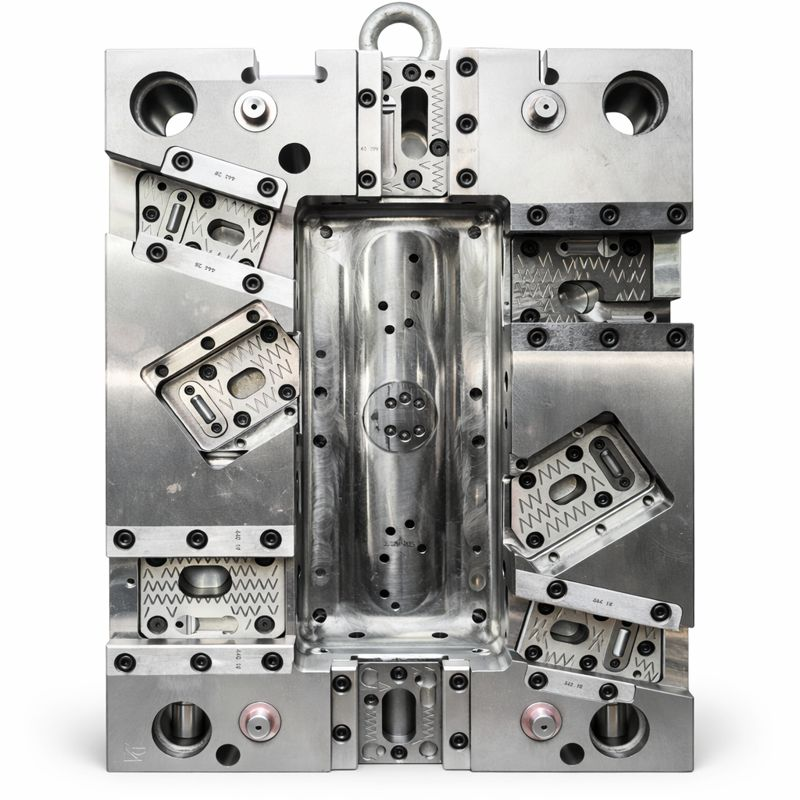
Mold Flow Analysis (MFA) is a powerful tool that simulates the entire injection molding process before production begins. It provides critical insights into how molten material will behave inside the mold. Here’s a look at what it simulates:
● Material Flow Patterns: MFA predicts how the molten plastic will flow through the mold cavity. It helps designers understand the path the material will take, ensuring that the mold fills evenly.
● Pressure and Temperature Distribution: The analysis predicts the pressure exerted on the material and the temperature distribution across the mold, which are crucial for achieving uniform cooling and preventing defects.
● Cooling Efficiency: It evaluates the mold’s cooling system, highlighting areas where heat dissipation may be uneven, potentially leading to warping or shrinkage.
MFA is especially beneficial in complex injection molding projects, where precision and efficiency are key. It addresses several critical aspects:
● Optimizing Mold Geometry:
○ Gate Location Optimization: MFA helps identify the best gate locations to ensure even flow and minimize defects like weld lines.
○ Runner System and Cooling Channel Design: The tool allows engineers to design more efficient runner systems and cooling channels to ensure consistent material flow and temperature management throughout the molding process.
● Preventing Manufacturing Defects:
○ MFA can predict and prevent defects such as warping, sink marks, weld lines, and air traps by simulating potential problem areas early in the design phase.
○ Early Detection of Design Issues: By identifying flaws before physical production, MFA allows for more cost-effective solutions and reduces the risk of costly rework or delays.
At Diamond, Mold Flow Analysis is integrated into the Design for Manufacturing (DFM) process to ensure that molds are ready for efficient, high-quality production. Using MFA, Diamond optimizes mold designs for complex automotive and industrial parts, ensuring high precision and reducing defects. This approach is essential for delivering molds that meet the strict standards required in industries like automotive manufacturing.
Mold Flow Analysis offers numerous benefits that contribute to the success of injection molding projects, particularly when it comes to cost, time, and quality:
● Reducing Development Costs:
○ MFA minimizes the need for physical prototypes by simulating real-world conditions, reducing material waste and shortening the overall development cycle.
○ It also prevents costly mold rework during production, saving both time and money.
● Time Efficiency:
○ By identifying and addressing potential issues early on, MFA helps to speed up the product development process, leading to a faster time-to-market with optimized designs.
● Improving Product Quality:
○ MFA ensures the creation of high-precision parts by optimizing the cooling process, material flow, and mold geometry.
○ It also helps meet the strict tolerances and quality standards required for industries like automotive manufacturing, where Diamond excels.
Here’s a table to highlight some of the key benefits of using Mold Flow Analysis:
Benefit | Description |
Cost Reduction | Reduces need for physical prototypes and prevents rework. |
Time Efficiency | Speeds up the design and production process. |
Quality Improvement | Ensures high precision and consistency in final products. |
Defect Prevention | Identifies potential defects like warping and sink marks. |
MFA allows for more efficient, high-quality production, making it indispensable for complex injection molding projects.
When it comes to injection molding, the right software tool can make all the difference. Here’s a breakdown of some commonly used mold flow analysis tools:
● Autodesk Moldflow:
○ Moldflow Adviser: Designed for simpler projects, it helps with quick simulations and basic analysis.
○ Moldflow Insight: For more advanced users, this tool offers in-depth simulation capabilities, especially useful for complex designs and multi-material molding.
● Moldex3D:
○ Provides deep insights into 3D flow behaviors, including how the material behaves as it flows through the mold. It's ideal for simulating intricate geometries and ensuring parts are filled evenly.
● SolidWorks Plastics:
○ Integrated directly into CAD software, this tool provides real-time feedback on mold designs. It’s user-friendly and allows engineers to spot potential issues without leaving their design environment.
● Other Options:
○ Tools like Sigmasoft, Simcon simFLOW, and ANSYS Mold Flow also offer various features, from detailed process optimization to advanced cooling analysis.
Selecting the appropriate mold flow analysis software depends on several factors:
● Project Complexity: Simple designs may only need basic simulation tools, while complex projects (like multi-material molding) require more advanced capabilities.
● Budget: Advanced software like Moldflow Insight can be costly. However, it offers more in-depth analysis that can be a worthwhile investment for high-precision projects.
● Team Expertise: Some tools require specialized training to use effectively. Ensure your team is equipped to maximize the software’s potential.
Accurate simulations are essential for avoiding defects, saving time, and reducing costs. So, choosing the right software is not just about features; it’s about finding the tool that fits your project’s unique needs.
At Diamond, injection molding projects benefit from their use of cutting-edge software tools, including Autodesk Moldflow. By leveraging advanced simulation technology, Diamond optimizes mold designs for precision and efficiency, especially in automotive and industrial parts.
For example, by using Moldflow Insight, Diamond can simulate material flow, optimize gate placement, and design efficient cooling systems—all critical elements in producing defect-free, high-quality molds. This advanced approach allows Diamond to reduce risks during production and improve the overall quality of the final product.
Here’s a quick overview of how Diamond integrates software tools into its process:
Software Tool | Application |
Autodesk Moldflow | Used for both basic and advanced simulations of material flow. |
Moldflow Insight | In-depth simulation for complex designs and multi-material molds. |
SolidWorks Plastics | Real-time feedback integrated into CAD design for efficiency. |
Moldex3D | Advanced 3D simulations of material behaviors in molds. |
By using these tools, Diamond ensures that each injection molding project is optimized for speed, quality, and precision, leading to better results for their clients.
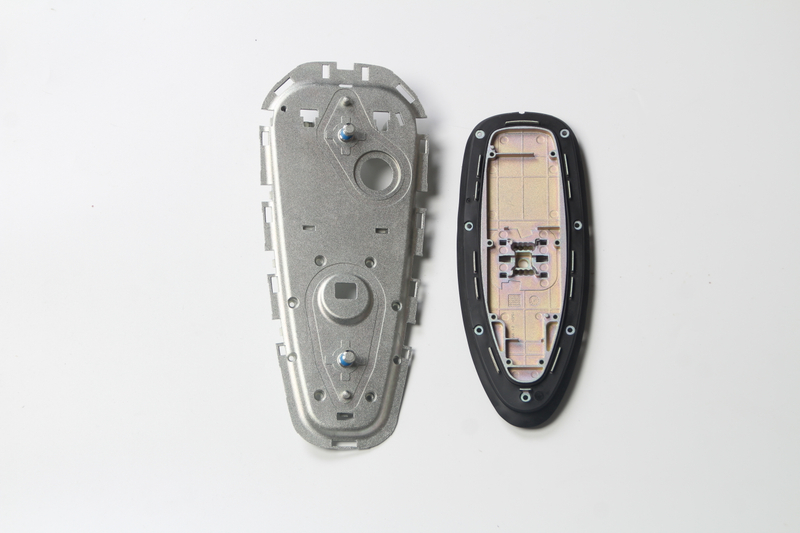
Mold Flow Analysis (MFA) involves simulating the injection molding process to predict how molten material will behave inside the mold. The process is divided into three key phases:
● Filling Phase:
○ In this phase, molten plastic is injected into the mold cavity. The simulation helps to determine how the material fills the cavity and if it flows evenly. Identifying areas where the flow may be incomplete is critical.
○ Common issues like short shots (incomplete fills) and air traps (bubbles in the material) can be detected and mitigated before physical production.
● Packing Phase:
○ Once the cavity is filled, pressure is applied to ensure the mold is completely filled, and the plastic is packed in. This phase is vital to prevent sink marks, which occur when the material inside the part cools unevenly.
○ Proper pressure during packing is essential for maintaining part integrity and minimizing defects.
● Cooling Phase:
○ Cooling is one of the most important phases in injection molding. If the cooling process is not uniform, parts may warp or experience dimensional inaccuracies.
○ MFA helps optimize the cooling channels and ensures the part cools consistently, reducing the chances of warping and improving the final product quality.
To ensure optimal molding conditions, certain parameters must be closely analyzed during the simulation:
● Injection Pressure and Melt Temperature:
○ These parameters directly affect material flow and part quality. If the injection pressure is too high, it can cause defects such as excessive flash or damage to the mold. Melt temperature influences how easily the material flows, impacting the filling phase and part consistency.
● Cooling Time and Shear Rate:
○ Cooling time is a critical factor in determining how quickly a part solidifies after injection. Shortening this time helps speed up production but must be balanced with the need for uniform cooling to prevent defects.
○ Shear rate refers to how fast the material flows during injection. Optimizing shear rates helps ensure the material fills all cavities without causing defects.
● Weld Lines and Air Traps:
○ Weld lines form when two flow fronts meet but do not completely fuse. These weak areas can compromise part strength. MFA identifies potential weld line locations and recommends gate adjustments to minimize them.
○ Air traps occur when air gets trapped during the injection process. This can lead to imperfections and weaken the part. By simulating material flow, MFA helps eliminate potential air trap locations.
At Diamond, Mold Flow Analysis is integrated into a comprehensive Design for Manufacturing (DFM) process. The company uses a four-stage design review protocol to ensure that molds are ready for high-precision, defect-free production.
● The first stage involves initial product and material analysis, identifying any design features that could cause issues during molding.
● In the second stage, mold flow simulation is conducted to evaluate material flow and identify any potential defects, ensuring the mold will fill properly.
● During the third stage, cooling and packing simulations are performed to refine the cooling channels and pressure distribution.
● Finally, the fourth stage involves a comprehensive review of all simulation data before the mold design is finalized and ready for production.
This process ensures that all Diamond molds are optimized for efficient production and high-quality outputs, meeting the stringent standards of industries like automotive and electronics.
Here’s a visual breakdown of the four stages:
Stage | Description |
Stage 1 | Product and material analysis, identifying potential design issues. |
Stage 2 | Mold flow simulation to evaluate material filling and defect prediction. |
Stage 3 | Cooling and packing analysis for optimal cooling system design. |
Stage 4 | Final review of simulations and preparation for production. |
By incorporating Mold Flow Analysis into each stage, Diamond ensures that every mold is finely tuned for successful and cost-efficient production.
Mold Flow Analysis plays a crucial role in optimizing injection molding projects. It helps reduce costs, improve product quality, and speed up time-to-market. By identifying potential issues early, you can avoid costly rework and ensure high-quality, defect-free parts.
For your next complex injection molding project, consider using Mold Flow Analysis. Leverage the expertise of companies like Diamond for reliable, efficient results.


