
Views: 0 Author: Site Editor Publish Time: 2025-12-19 Origin: Site
The world of automotive hardware has evolved rapidly, and at the heart of many modern vehicle accessories lies a component that often goes unnoticed but plays a critical role in both function and aesthetics: Car Remote Key Die Casting Parts. In this comprehensive article, we explore the top features, materials, manufacturing advantages, and market trends associated with Car Remote Key Die Casting Parts, diving into what makes these components essential for today’s automotive applications.
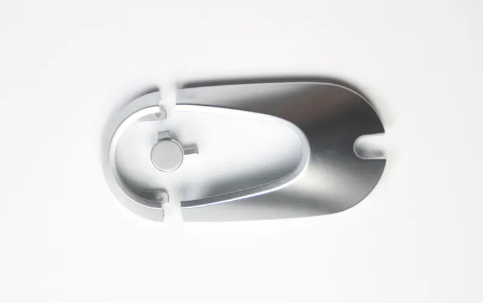
Car Remote Key Die Casting Parts are precision-manufactured automotive components produced through the die casting process. These parts are commonly used in the manufacturing of remote key enclosures, metallic internal key components (such as key shafts or locking modules), and automotive accessories requiring high precision and surface quality.
The die casting process involves injecting molten metal—often zinc alloys—into precision-engineered steel molds at high pressure to form parts with intricate geometries and excellent surface finishes. The result is a reliable, durable part that enhances both function and appearance.
One of the most significant trends in the manufacturing of Car Remote Key Die Casting Parts is the extensive use of zinc alloys, especially in the production of Automotive Zinc Alloy Appearance Parts. Zinc alloys such as Zamak series (e.g., Zamak 3) combine strength, ductility, and superb casting characteristics, making them ideal for automotive applications. Key Advantages of Zinc Alloys for Car Remote Key Die Casting Parts
Low Melting Temperature
Zinc alloys melt at relatively low temperatures compared to aluminum and magnesium, allowing efficient casting with reduced energy usage and longer mold life.
Excellent Castability and Flow
Zinc’s excellent fluidity enables the production of Car Remote Key Die Casting Parts with thin walls and intricate details, vital for compact remote key designs.
Surface Finish and Plating Compatibility
Zinc die cast parts have smooth surfaces suitable for high-quality plating (e.g., chrome or nickel), which enhances the appearance of Automotive Zinc Alloy Appearance Parts such as key casings and decorative elements.
Dimensional Stability
Zinc die casting maintains close tolerances, ensuring repeatability in mass production of Car Remote Key Die Casting Parts.
Corrosion Resistance
Zinc alloys provide inherent corrosion resistance, which helps products like Car Remote Key Die Casting Parts withstand environmental exposure over long service lives.
Car Remote Key Die Casting Parts are manufactured using precision tooling that ensures high dimensional accuracy and repeatability. These characteristics are essential because remote key components often include features that must fit perfectly with electronic modules, buttons, and locking mechanisms.
| Feature | Benefit |
|---|---|
| High pressure injection | Ensures dimensional accuracy |
| Precision die tooling | Repeatable results |
| Minimal post-processing | Shorter lead times |
This level of precision is especially important for Car Remote Key Die Casting Parts that form the external shells and internal locking mechanisms of car keys.
Despite their small size, Car Remote Key Die Casting Parts must withstand mechanical stresses—such as drops, impacts, and constant handling. Zinc alloys provide high hardness and mechanical strength, contributing to the longevity of these parts.
Many Car Remote Key Die Casting Parts double as aesthetic elements of the key fob, blending function with style. Appearance matters in automotive accessories, and parts produced from Automotive Zinc Alloy Appearance Parts often receive additional surface treatments like electroplating, anodizing, or painting to elevate their visual appeal.
Die casting is an efficient production method for large-volume manufacturing. Once the tooling is developed, Car Remote Key Die Casting Parts can be produced rapidly and at lower costs per unit compared to machining or metal injection molding.
Understanding how Car Remote Key Die Casting Parts are made helps highlight their key features and quality advantages.
Mold Preparation
Steel dies are engineered and fabricated based on the exact design specifications of the Car Remote Key Die Casting Parts.
Melting and Injection
Zinc alloys are melted and injected into the die under high pressure to ensure complete filling of the mold.
Cooling and Ejection
After the molten metal fills the die cavity and cools rapidly, the solidified piece is ejected from the mold.
Finishing Processes
Parts may undergo surface finishing such as polishing, plating, or coating to enhance both performance and appearance.
Inspection and Packaging
Each batch of Car Remote Key Die Casting Parts is inspected to ensure compliance with dimensional and surface quality standards.
When selecting materials for Car Remote Key Die Casting Parts, manufacturers often choose between zinc alloys and alternative options like aluminum or plastic. Below is a comparison:
| Material | Strength | Surface Finish | Weight | Cost | Best Use |
|---|---|---|---|---|---|
| Zinc Alloy | High | Excellent | Moderate | Low | Premium metal keys, Automotive Zinc Alloy Appearance Parts |
| Aluminum | Moderate | Good | Low | Moderate | Larger parts with weight concerns |
| Plastic | Low | Variable | Very Low | Very Low | Budget keys |
Zinc alloy stands out for Car Remote Key Die Casting Parts due to its superior surface finish and mechanical properties, making it a common choice for automotive manufacturers.
Surface treatments elevate both the appearance and durability of Car Remote Key Die Casting Parts. Common options include:
Electroplating – Provides corrosion resistance and aesthetic appeal, common for Automotive Zinc Alloy Appearance Parts.
Nickel and Chrome Finishes – Offer premium surfaces for luxury automotive remote keys.
Powder Coating – Adds color and additional surface protection.
Manufacturers tailor surface finishes based on vehicle brand, segment positioning, and consumer expectations.
The demand for Car Remote Key Die Casting Parts correlates with the broader automotive industry and smart key trends. As vehicles adopt keyless entry, remote start, and integrated security modules, the need for high-quality metal components increases.
Shift to Smart Keys
Smart keys, which often include integrated chips and electronic sensors, require precise enclosures—making Car Remote Key Die Casting Parts more important than ever.
Customization and Design Trends
Modern consumers increasingly prefer automotive accessories that reflect personal style, driving demand for high-end Automotive Zinc Alloy Appearance Parts.
Growth in Automotive Electronics
The complexity of remote systems boosts the need for precision die cast components.
Although exact global production numbers for Car Remote Key Die Casting Parts are proprietary to OEMs and suppliers, industry trends suggest steady year-over-year growth tied to vehicle production volumes and advancing electronic features.
In premium automotive lines, Car Remote Key Die Casting Parts often serve dual purposes:
Structural Support – Housing and reinforcing electronic modules.
Luxury Aesthetic – Chrome-plated or brushed metal finishes that match vehicle design language.
For example, several manufacturers produce bespoke zinc alloy remote key shells that align with brand aesthetics and durability expectations.
This trend reinforces why high-performance Car Remote Key Die Casting Parts are crucial for both low-end and high-end automotive markets.
Zinc used in Car Remote Key Die Casting Parts is fully recyclable, making it a sustainable choice for the automotive industry. Recycling reduces material waste and supports automotive manufacturers’ sustainability goals.
Zinc alloys can be remelted and reused without significant loss of properties, contributing to a circular economy approach for Automotive Zinc Alloy Appearance Parts.
Production of Car Remote Key Die Casting Parts involves several quality checkpoints:
Dimensional Inspection – Ensures parts meet tolerance requirements.
Surface Quality Evaluation – Looks for defects post-casting and finishing.
Mechanical Testing – Verifies strength and performance under stress.
Many suppliers follow ISO quality standards to ensure consistent production quality.
As automotive technology evolves, Car Remote Key Die Casting Parts will continue to integrate with advanced vehicle systems:
Integration with Sensors – Casting designs will accommodate embedded electronics.
Lightweight Designs – Alloy optimization for performance.
Advanced Surface Tech – Combining die casting with coatings that enhance durability and aesthetics.
These advancements indicate that Car Remote Key Die Casting Parts will remain a dynamic and critical component in automotive hardware design.
What materials are commonly used for Car Remote Key Die Casting Parts?
The most common material is zinc alloy, renowned for its low melting point, excellent castability, and surface finish. Other materials like aluminum or plastics are sometimes used, but zinc remains a preferred choice for premium applications.
How does die casting improve the quality of Car Remote Key Die Casting Parts?
Die casting produces parts with high dimensional accuracy, tight tolerances, and smooth surface finishes—ideal for integrated remote key designs.
Are Car Remote Key Die Casting Parts recyclable?
Yes. Zinc alloys used in these parts are fully recyclable, contributing to sustainable manufacturing practices.
What’s the difference between Automotive Zinc Alloy Appearance Parts and standard metal components?
Automotive Zinc Alloy Appearance Parts are specifically designed for visual and tactile appeal, often with premium surface finishes, whereas standard components prioritize functionality.
Can Car Remote Key Die Casting Parts be customized?
Absolutely. Die casting allows customization of shapes, surface treatments, and finishes to match brand-specific design requirements.


