
Views: 0 Author: Site Editor Publish Time: 2025-12-16 Origin: Site
In the competitive world of automotive manufacturing, Automotive Connector Die Casting Parts play a crucial role in ensuring reliable electrical connections across vehicles. These parts are more than simple metal connectors — they are precision-engineered components that must meet stringent performance standards while also keeping costs under control. With the rapid evolution of automotive technology — including electric vehicles (EVs), advanced driver‑assist systems (ADAS), and smart vehicle architectures — understanding the pricing landscape for Automotive Connector Die Casting Parts is essential for engineers, procurement teams, and business decision‑makers alike.
This comprehensive, data‑driven guide explores everything you need to understand about the pricing of Automotive Connector Die Casting Parts, from cost determinants and market influences to product comparisons and pricing trends. We also provide charts and tables to help you analyze the data and make informed decisions. By the end, you’ll have a deep understanding of how pricing is structured, what affects it, and how to align your sourcing strategy with current industry realities.
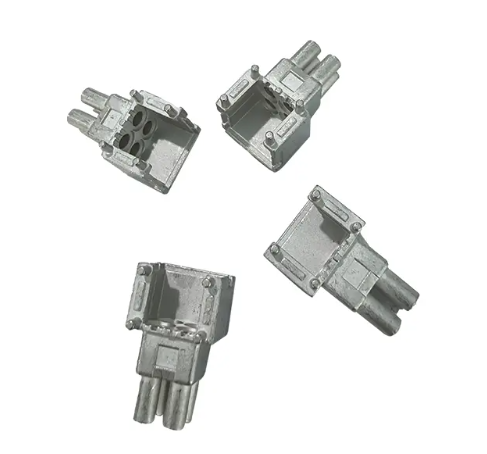
Automotive Connector Die Casting Parts are precision‑manufactured metal components used in vehicle electrical systems to ensure secure and durable electrical performance. These components are often produced using die casting, a metal fabrication process in which molten metal is forced into a mold under high pressure. This method delivers high precision, repeatability, and the ability to produce complex geometries — ideal for automotive connectors used in ECUs, power distribution modules, sensors, and safety circuits.
Automotive Connector Die Casting Parts are vital for applications that demand:
Electrical performance and conductivity
Mechanical strength
Thermal resilience
Resistance to vibration and environmental stress
Because connectors often form the backbone of modern vehicle electrical systems — especially in electric and hybrid vehicles — their performance and long‑term reliability are mission‑critical.
Understanding the pricing of Automotive Connector Die Casting Parts requires breaking down the key cost drivers. These factors determine how much you pay per unit, why prices vary across suppliers, and how market forces influence overall pricing.
The type of metal used — such as aluminum, zinc, or magnesium — heavily influences cost. Aluminum is popular for its lightweight yet strong attributes, while zinc is often chosen for intricate, thinner‑walled parts. Magnesium, though lighter, can be more specialized and thus costlier.
Different die casting methods — hot chamber, cold chamber, or high‑pressure — affect both productivity and unit cost:
| Die Casting Method | Typical Use | Pros | Cost Impact |
|---|---|---|---|
| Hot Chamber | Low melting point alloys (e.g., zinc) | Fast cycles | Lower per‑piece cost |
| Cold Chamber | Aluminum and high temp metals | Strong parts, versatile | Higher initial cost |
| High Pressure Die Casting | Complex shapes | High precision | Moderate‑high cost |
Each process has implications for mold complexity, part accuracy, and production volume, all of which feed into pricing structures.
Labor hours, setup time, and overhead (factory utilities, machine maintenance, supervision) account for a significant portion of price. For small production runs, setup costs can make each unit substantially more expensive.
Post‑processing such as machining, plating, surface finishing, or coating adds to costs but is often necessary to meet automotive specifications.
Materials can represent up to 40–60% of the total cost of Automotive Connector Die Casting Parts. Here’s how the most common metals stack up:
| Material | Typical Price Impact | Common Use in Connectors | Pros |
|---|---|---|---|
| Aluminum | Moderate | Structural and power connectors | Lightweight, strong |
| Zinc | Lower | Small, intricate connectors | Fine details, good surface |
| Magnesium | Higher | Specialized lightweight components | Lightest, high strength |
Each material offers a trade‑off between cost, performance, and manufacturability. Automotive designers often choose material based on end use, production volume, and weight targets.
The manufacturing process directly influences the price of Automotive Connector Die Casting Parts. More advanced operations that reduce defects or increase part precision typically result in higher upfront costs but may reduce long‑term total cost of ownership through improved performance and fewer failures.
Mold design complexity
Cycle time efficiency
Automation level
Quality control systems
Advanced processes can handle complex shapes and ensure consistency across large volumes. The use of automation and advanced tooling often increases the initial tooling cost but reduces labor costs over long production cycles — a factor to consider when calculating unit pricing.
To provide a practical sense of pricing, here’s a snapshot of typical price ranges available on industrial sourcing platforms:
| Product (Indicative) | Price Range (USD) | MOQ |
|---|---|---|
| Small Die Casting Connector (Generic) | $0.16 – $3.50 | 100–500 pcs |
| Precision Automotive ECU Connector Casting | $3.50 – $8.50 | 100 pcs |
| Custom Die Casting Auto Parts (Aluminum/Zinc) | $0.30 – $10.00 | 100+ pcs |
| Trailer Connector Plug (Die Cast) | $1.50 – $2.60 | 1000 pcs |
These figures underscore that pricing can vary substantially depending on volume, precision, material, and supplier.
Understanding market trends helps anticipate pricing changes:
Increasing automotive production — especially of EVs — is pushing demand for Automotive Connector Die Casting Parts, often tightening supply chains and putting upward pressure on prices.
Global fluctuations in aluminum, zinc, and magnesium prices can significantly alter per‑unit cost, especially where large mass is required per connector.
Geopolitical events, trade tariffs, or transportation bottlenecks impact material sourcing and manufacturing costs, which can cascade down into connector pricing.
In summary, macroeconomic factors influence the base costs of Automotive Connector Die Casting Parts, often beyond the control of any single supplier.
Every Automotive Connector Die Casting Part is often tailored to specific applications — from high‑speed data connections in ADAS systems to rugged power connectors in EV powertrains. These requirements affect pricing:
| Order Volume | Price per Unit |
|---|---|
| 100–500 pcs | High |
| 500–5,000 pcs | Moderate |
| 5,000+ pcs | Lower |
Economies of scale only kick in at higher volumes due to tooling and setup costs. For smaller runs, manufacturers may charge a premium per unit.
Automotive industry standards (e.g., ISO, OEM specs) impose additional requirements for testing and certification — increasing production cost but ensuring reliability.
While Automotive Connector Die Casting Parts are the focus here, it’s useful to compare them with other manufacturing approaches:
| Method | Typical Uses | Pros | Cons |
|---|---|---|---|
| Die Casting | High volume, complex metal connectors | Precision, repeatability | Mold cost |
| Machining | Prototyping, low volume | High accuracy | Higher unit cost |
| Injection Molding (plastics) | Non‑metal connectors | Low cost | Lower strength |
Die casting bridges the gap between high performance and reasonable cost for metal connectors — making it optimal for medium to high volume automotive applications.
Here are actionable strategies procurement teams can use:
Reducing complexity and redesigning for die casting efficiency can cut costs sharply.
Sourcing larger volumes with fewer suppliers often unlocks better pricing.
Engaging toolmakers and die casters early in the design cycle helps optimize costs before tooling is finalized.
Evaluating alternative alloys or hybrid solutions may reduce raw material expenses while meeting specs.
Q1: What factors most influence the pricing of Automotive Connector Die Casting Parts?
The key drivers include material type, die casting process chosen, tooling costs, post‑processing, and volume ordered.
Q2: How do materials like aluminum vs zinc impact cost?
Aluminum generally costs more due to its strength and lightweight properties, while zinc is cheaper and better for intricate detail work.
Q3: Is pricing higher for custom designs?
Yes, custom connectors typically require specialized tooling and engineering — increasing upfront costs and potentially per‑unit price.
Q4: How does order volume affect part pricing?
Larger volumes spread tooling and setup costs over more units, usually lowering the per‑unit price.
Q5: Why are die cast connectors preferred in modern vehicles?
Die casting provides a balance of precision, repeatability, strength, and cost‑efficiency — ideal for automotive electrical systems.


