
Views: 0 Author: Site Editor Publish Time: 2025-12-23 Origin: Site
Car Remote Key Die Casting Parts have become one of the most indispensable components in the modern automotive ecosystem. As vehicles evolve toward smarter, safer, and more user‑friendly designs, the significance of Car Remote Key Die Casting Parts has grown exponentially. This comprehensive article explores why Car Remote Key Die Casting Parts are critical for modern cars, including their manufacturing process, material selection, performance benefits, quality factors, industry trends, and future developments.
Car Remote Key Die Casting Parts refer to components manufactured through the die casting process, specifically for car remote keys. These parts typically include key shells, internal structural elements, metal shafts, and decorative appearance components that provide durability, precision, and aesthetic value to automotive remote keys.
Car remote keys have evolved rapidly from simple mechanical devices into multifunctional electronic control units for doors, trunks, alarms, and smart access systems. The role of Car Remote Key Die Casting Parts in this ecosystem is both structural and functional — ensuring mechanical integrity while supporting advanced electronic integration.
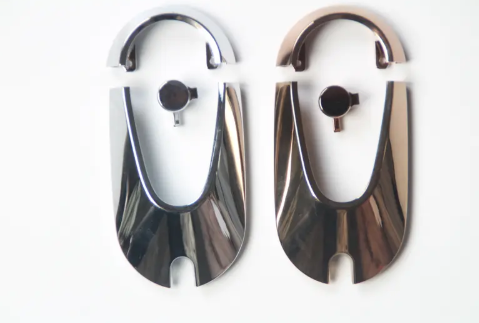
Car Remote Key Die Casting Parts are metal components produced by forcing molten metal — commonly zinc alloy — into a precision‑engineered mold. The result is a highly accurate, complex part that can serve as the internal or external structural element of a car remote key.
The die casting process ensures that these parts have excellent dimensional consistency, high strength, and smooth surface finishes suitable for both mechanical performance and appearance functions.
| Attribute | Description |
|---|---|
| Material | Mostly zinc alloys for superior castability and surface finish. |
| Strength | High tensile strength and rigidity. |
| Precision | Tight dimensional tolerances. |
| Surface Finish | Smooth surfaces, ideal for appearance parts. |
| Customization | High flexibility for complex geometries. |
Die casting is a metal casting process where molten non‑ferrous alloys — especially zinc and aluminum — are injected into a mold cavity under high pressure. This process is widely used in automotive manufacturing due to its ability to produce parts with both structural and appearance requirements.
Car Remote Key Die Casting Parts are a subset of automotive die casting components that benefit from all the advantages of this production method.
High Production Efficiency
Die casting is capable of producing large quantities of parts in a short time, making it cost‑efficient at scale.
High Precision and Repeatability
Parts have excellent dimensional accuracy and consistency, crucial for fitting electronic components in car remote keys.
Surface Quality
Die casting produces parts with fine surface quality, supporting appearance components such as Automotive Zinc Alloy Appearance Parts integrated into remote keys.
Complex Geometries
The die casting process supports complex shapes and intricate designs that cannot be achieved easily with other manufacturing methods.
Zinc alloys, especially those used for Automotive Zinc Alloy Appearance Parts, are preferred due to their unique properties that align well with the demands of Car Remote Key Die Casting Parts.
| Property | Benefit for Car Remote Key Die Casting Parts |
|---|---|
| Low Melting Point | Reduces energy consumption during manufacturing. |
| Excellent Castability | Ensures parts fill molds accurately with minimal defects. |
| High Strength & Hardness | Provides durability and mechanical resilience. |
| Fine Surface Quality | Suitable for appearance parts without extensive finishing. |
| Corrosion Resistance | Improves longevity of remote key components. |
Zinc alloy die casting is the backbone of high‑precision car remote key metal parts because it can produce intricate designs with minimal finishing requirements.
Automotive Zinc Alloy Appearance Parts are decorative and functional exterior components often used for branding, tactile feel, and overall aesthetics. When integrated with Car Remote Key Die Casting Parts, these appearance components elevate the look and feel of the key while ensuring a premium user experience.
Logo inserts and branding plates
Key shell faceplates
Decorative trims
Functional buttons with tactile metal feel
Structural frames with aesthetic surfaces
These parts not only provide a premium look but also contribute to durability and ergonomic performance — aspects critical to the user’s daily interaction with the vehicle.
The process of creating Car Remote Key Die Casting Parts typically includes the following steps:
Design Phase
Engineering teams develop precise CAD models of the desired parts, considering functional and aesthetic requirements.
Mold Fabrication
Precision dies are created using steel molds that can withstand high pressure and high production volumes.
Molten Metal Preparation
Zinc or other alloys are melted and prepared for casting.
Injection and Casting
Molten metal is injected under high pressure into the die cavity.
Cooling and Ejection
The molten metal cools rapidly, forming a solid part with the exact shape of the mold.
Post‑Processing
Parts are trimmed, polished, plated, or finished to achieve the desired surface quality.
| Part Category | Description |
|---|---|
| Key Shell Housing | Outer metal structure of the remote key. |
| Metal Button Frames | Surround buttons for tactile feedback. |
| Internal Structural Inserts | Provide support for electronic modules. |
| Decorative Appearance Parts | Enhance the key’s aesthetic value. |
The precision and repeatability of this process make it ideal for producing millions of identical Car Remote Key Die Casting Parts with consistent quality.
Because Car Remote Key Die Casting Parts are often made from zinc alloy, they possess greater mechanical strength compared to plastic or stamped metal alternatives. This structural integrity ensures a long‑lasting remote key capable of withstanding daily wear and tear.
Zinc alloy die casting generally produces parts that resist deformation, abrasion, and corrosion far better than other production methods.
Automotive Zinc Alloy Appearance Parts integrated into Car Remote Key Die Casting Parts offer excellent surface finish straight from the mold, requiring minimal secondary processing.
Exact dimensional tolerances are vital for electronic integration, especially when buttons and sensors must align perfectly within the remote key housing.
| Feature | Car Remote Key Die Casting Parts | Plastic Injection Parts |
|---|---|---|
| Strength | High | Moderate |
| Surface Finish | Premium metallic look | Can be smooth but less robust |
| Durability | Long‑lasting | Lower in harsh conditions |
| Precision | Very high | Moderate |
| Cost | Higher initial cost, lower lifetime cost |
While plastic injection parts are lighter and cheaper upfront, Car Remote Key Die Casting Parts deliver superior performance, longevity, and premium feel that align with consumer expectations for modern automotive products.
| Feature | Car Remote Key Die Casting Parts | Stamped Metal Parts |
|---|---|---|
| Complex Geometry | Excellent | Limited |
| Surface Finish | Excellent | Moderate |
| Strength | High | High |
| Dimensional Accuracy | Very high | Moderate |
Stamped metal parts are strong but lack the precision and aesthetic finesse that die‑cast parts offer — especially crucial for appearance components.
As vehicles adopt passive entry and start systems, remote key complexity increases. Car Remote Key Die Casting Parts must support multiple internal components like RFID, NFC, and battery packs.
While zinc alloy offers strength, manufacturers are exploring hybrid materials that combine lightweight plastics with die‑cast metal inserts to balance weight and performance.
Consumers increasingly demand personalized and branded appearance parts. Automotive Zinc Alloy Appearance Parts cater to this aesthetic demand while maintaining functional resilience.
Die casting processes increasingly incorporate recycled alloys, reducing waste and energy consumption but still delivering the performance expected from Car Remote Key Die Casting Parts.
Quality control is paramount for automotive applications. For Car Remote Key Die Casting Parts, rigorous testing ensures each part meets safety, structural, and aesthetic standards.
Typical quality checks include:
Dimensional Inspection
Surface Finish Evaluation
Mechanical Testing
Corrosion Resistance Testing
Fit Testing with Electronics
These checks help ensure that Car Remote Key Die Casting Parts function reliably over the vehicle’s life.
| Year | Percentage of Cars Using Metal Die Casting Keys |
|---|---|
| 2018 | 40% |
| 2020 | 55% |
| 2022 | 70% |
| 2024 | 85% |
Trend Analysis:
The increasing trend reflects consumers’ preference for durability and premium feel in remote keys.
Growth in smart entry systems drives demand for stronger structural components.
Automotive Zinc Alloy Appearance Parts contribute to enhanced perceived value.
This data indicates a steady rise in adopting Car Remote Key Die Casting Parts as standard, reflecting both engineering and market trends.
The future of Car Remote Key Die Casting Parts may involve:
Integration of Smart Materials — Parts that support sensors and adaptive features.
Enhanced Surface Nanotechnology — For improved scratch resistance and look.
Eco‑Friendly Die Casting Processes — Lower energy consumption and increased recycling rates.
Additive Manufacturing Support — Hybrid processes combining 3D printing with die casting.
| Cost Category | Impact |
|---|---|
| Raw Materials | Moderate |
| Mold Tooling | High |
| Production Volume | Lower cost per unit at scale |
| Finishing | Depends on appearance requirements |
Die casting tooling is expensive upfront, but high production volumes common in automotive manufacturing make Car Remote Key Die Casting Parts economical over time.
In conclusion, Car Remote Key Die Casting Parts are fundamental to modern automotive design and user satisfaction. From robust structural integrity and precision engineering to premium aesthetics through Automotive Zinc Alloy Appearance Parts, these die cast parts significantly elevate the performance and perception of remote keys. As smart automotive technology evolves, the role of die casting in remote key manufacturing will only grow, making it a strategic priority for automotive OEMs and suppliers alike.
1. What materials are most commonly used in Car Remote Key Die Casting Parts?
The primary material is zinc alloy due to its excellent castability, strength, and surface finish qualities.
2. How do Car Remote Key Die Casting Parts compare to plastic injection key components?
Die casting parts generally offer higher durability, better surface quality, and greater precision, especially for premium automotive remote keys.
3. Can Car Remote Key Die Casting Parts support advanced electronic functions?
Yes — their precision and structural stability make them suitable for integrating sensors, batteries, and smart entry modules.
4. Why are Automotive Zinc Alloy Appearance Parts important in remote key design?
They enhance the aesthetic appeal while providing a premium look and tactile feel that matches high‑end automotive branding.
5. What future technologies will impact Car Remote Key Die Casting Parts?
Future developments may include eco‑friendly die casting processes, nanotechnology surface treatments, and hybrid manufacturing techniques that improve performance and sustainability.


