
Views: 0 Author: Site Editor Publish Time: 2026-02-02 Origin: Site
Zamak alloys are gaining popularity in modern manufacturing, but why? These unique materials, composed of zinc, aluminum, magnesium, and copper, offer the perfect balance of strength, cost-effectiveness, and versatility. As industries like automotive, electronics, and hardware embrace Zamak alloys, their benefits become undeniable.
In this article, we’ll explore why Zamak alloys are a go-to choice for manufacturers. We’ll also highlight the industries that benefit most from them, with a special focus on Diamond’s high-precision die-casting expertise. By the end, you’ll understand why Zamak alloys are revolutionizing the manufacturing world.
Die-casting is a process where molten metal is injected into a mold under high pressure to create precise, complex shapes. It’s often used for mass-producing metal parts with high dimensional accuracy and a smooth surface finish. Zamak alloys are a perfect match for this process due to their unique properties, which allow for highly detailed designs and consistent quality.
Zamak alloys, a combination of zinc, aluminum, magnesium, and copper, offer several benefits when used in die-casting. These advantages are why manufacturers, particularly in industries like automotive and hardware, increasingly turn to Zamak alloys for their casting needs:
● Precision and Smooth Finish: Zamak alloys provide excellent flow characteristics, ensuring that the molten material fills even the most intricate molds. This results in parts that meet tight tolerances with smooth, blemish-free surfaces.
● Complex Geometries: Thanks to their high fluidity and low viscosity, Zamak alloys can form highly detailed and complex shapes, which would be challenging with other materials.
● Consistency in High-Volume Production: With Zamak, manufacturers can produce large volumes of parts with consistent quality, making it an efficient choice for mass production.
Zamak alloys stand out in die-casting due to their ability to maintain high-quality production standards while offering a cost-effective solution. Some of the specific advantages include:
● High Fluidity for Intricate Designs: Zamak’s fluid nature makes it easier to produce thin-walled parts with fine details. This is particularly beneficial for industries requiring components with high complexity, like automotive and electronics.
● Dimensional Stability: Zamak alloys hold their shape well during the cooling process, ensuring high precision and reducing the need for additional machining. This makes them ideal for parts that must meet strict tolerances.
● Cost-Effectiveness and Energy Efficiency: Compared to other metals, Zamak alloys are more cost-effective to produce. Their low melting point leads to energy savings during the casting process, which translates into lower overall production costs.
Diamond has long been recognized for its expertise in die-casting, particularly with Zamak alloys. The company uses advanced die-casting technology to produce high-quality components for industries ranging from automotive to industrial hardware. With their focus on precision and efficiency, Diamond produces Zamak alloy parts that feature exceptional surface finishes and mechanical strength, making them a trusted choice for global manufacturers.
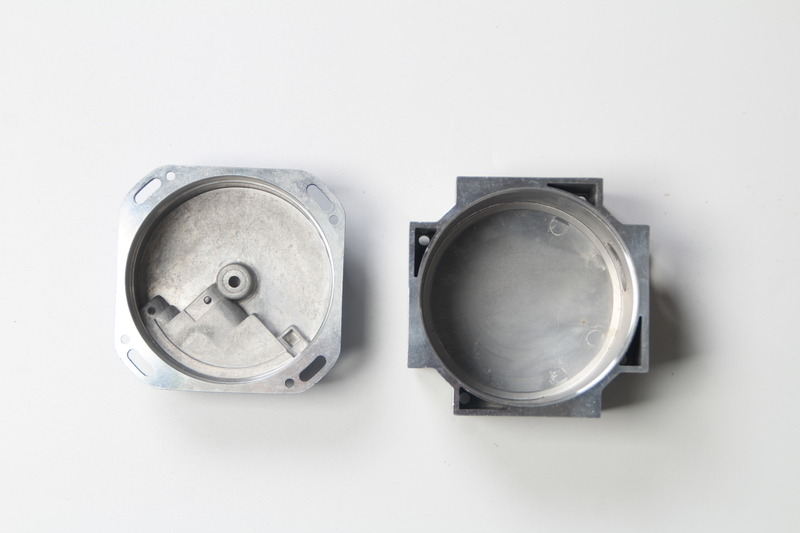
Zamak alloys play a crucial role in the automotive industry, particularly in the production of precision components. The combination of zinc, aluminum, magnesium, and copper gives Zamak alloys the ideal balance of strength, durability, and flexibility needed for car parts. From high-precision steering components to key housings, Zamak alloys are used across various automotive applications.
Component | Description |
Steering Parts | Zamak alloys are used for steering column parts due to their strength and precision. |
Key Housings | Ideal for durable and aesthetically pleasing car key housings. |
Connectors | Zamak alloys ensure reliable electrical conductivity and mechanical strength. |
Zamak’s ability to form intricate designs with high precision ensures automotive parts not only fit but perform perfectly, offering manufacturers a cost-effective solution.
Zamak alloys bring outstanding mechanical properties that boost the performance and longevity of automotive components. Their ability to withstand wear and resist impact makes them perfect for the automotive sector.
● Enhanced Durability: Zamak alloys are resistant to corrosion and wear, which helps automotive parts maintain their functionality over time.
● Precision in Design: Zamak alloys allow manufacturers to create components with tight tolerances and smooth surfaces, critical for parts like connectors and housings where precision is key.
The combination of high mechanical strength and durability makes Zamak alloys a trusted material for automotive parts that undergo heavy use, such as steering components.
Automotive manufacturers prefer Zamak alloys for several reasons. One of the most notable is their ability to achieve high-volume production at a low cost. Zamak alloys make it possible to meet the high demands of the automotive industry without compromising quality or precision.
● Cost-Effectiveness and High-Volume Manufacturing: Zamak alloys are inexpensive compared to other metals like aluminum, making them a great choice for mass production.
● Wear and Impact Resistance: Zamak alloys stand out for their superior wear resistance and impact strength, making them ideal for high-stress automotive components.
● Superior Surface Finishes: Zamak alloys can easily be electroplated or chrome-plated to achieve smooth, polished finishes, enhancing the aesthetic appeal of automotive parts.
Diamond has become a trusted partner for automotive manufacturers worldwide, thanks to its expertise in die-casting Zamak alloys. Their advanced die-casting technology enables them to deliver high-quality components that meet the stringent demands of well-known automotive brands such as Volkswagen, Audi, and Tesla. By combining Zamak alloys’ durability with Diamond’s precision die-casting capabilities, manufacturers can produce automotive components that excel in both function and form.
Zamak alloys offer excellent properties that make them ideal for electronics manufacturing. Their combination of high strength, durability, and excellent conductivity ensures they are a top choice for various electronic components. Two of the standout features of Zamak alloys in electronics are:
● Thermal Conductivity: Zamak alloys effectively dissipate heat, making them ideal for electronic components that generate heat, such as heat sinks and housings for sensitive devices.
● Electromagnetic Interference (EMI) Shielding: These alloys also serve as an effective barrier against electromagnetic interference, a common issue in the electronics industry that can disrupt device functionality.
Additionally, Zamak alloys have a high strength-to-weight ratio and are highly corrosion-resistant, making them perfect for creating long-lasting electronic components that can endure in demanding environments.
Zamak alloys are widely used in the electronics sector due to their durability and precision. These alloys are ideal for applications where both strength and appearance matter, such as:
Electronic Component | Application |
Smart Locks | Zamak alloys provide durability and aesthetic appeal, making them ideal for keyless entry systems. |
Keyless Entry Systems | Precision and corrosion resistance ensure reliable operation in various environmental conditions. |
Intercoms | Zamak alloys offer EMI shielding and mechanical strength, ensuring consistent performance and reliability. |
These components benefit from Zamak alloys’ high thermal conductivity and resistance to corrosion, ensuring they perform well in both indoor and outdoor conditions.
The demand for precision in electronics manufacturing has never been higher, and Zamak alloys are well-equipped to meet this challenge. Their ability to form intricate shapes with tight tolerances makes them an excellent choice for creating:
● Precise Parts: Zamak alloys can be die-cast into complex shapes with high accuracy, essential for delicate and small electronic components.
● Durable Components: These alloys withstand mechanical stresses, resist corrosion, and maintain their integrity over long periods, making them a reliable choice for long-lasting electronics.
● Functional Devices: Zamak alloys' versatility allows manufacturers to create parts that not only perform well but also look great, meeting both functional and aesthetic demands.
Diamond, known for its expertise in die-casting, manufactures custom Zamak alloy components for electronic applications. Their advanced technology ensures that components are durable, efficient, and meet the specific needs of critical devices in the electronics industry.
Zamak alloys are increasingly recognized for their positive environmental impact. As manufacturers face growing pressure to adopt sustainable practices, Zamak alloys provide a solution that helps meet both operational and environmental goals. Here’s how:
● Recyclability: Zamak alloys are highly recyclable, offering a closed-loop production process. This means used Zamak parts can be melted down and reused without losing their properties, significantly reducing the need for new raw materials.
● Low Waste: The die-casting process using Zamak alloys results in minimal waste. It is possible to cast intricate, precise shapes, which reduces the need for further machining, making the entire process more efficient.
When compared to other metals like aluminum or steel, Zamak alloys require significantly less energy to produce. This makes Zamak alloys an energy-efficient choice for manufacturers focused on reducing their carbon footprint.
● Energy Savings: Zamak alloys have a lower melting point, around 385°C, which reduces the amount of energy required during the production process.
● Efficiency in Production: The high fluidity of Zamak alloys ensures that they flow smoothly into molds, which also reduces production time and energy consumption.
By switching to Zamak alloys, manufacturers can lower their overall energy consumption while still producing durable and high-quality products.
Zamak alloys are also known for their adherence to critical environmental standards, making them a responsible choice for manufacturers focused on sustainability.
● ROHS Compliance: Zamak alloys meet the ROHS (Restriction of Hazardous Substances) standard, which ensures that they do not contain harmful substances such as lead or cadmium.
● ELV Compliance: Zamak alloys adhere to the ELV (End-of-Life Vehicles) directive, making them suitable for automotive applications where environmental impact during the vehicle’s lifecycle is a concern.
● WEEE Compliance: Zamak alloys also comply with the WEEE (Waste Electrical and Electronic Equipment) standards, ensuring they can be safely recycled at the end of their use in electronic devices.
By using Zamak alloys, companies can confidently adhere to these environmental regulations, ensuring that their products are safe, sustainable, and aligned with global environmental initiatives.
Diamond, known for its advanced die-casting technology, ensures that its Zamak alloy products meet the highest environmental standards while maintaining performance and durability.

Manufacturers are constantly looking for ways to cut costs while maintaining product quality. Zamak alloys provide an excellent solution, offering lower raw material costs and more efficient production processes than many alternatives. Here’s why Zamak alloys are cost-effective:
● Lower Raw Material and Production Costs: Compared to other metals like aluminum or steel, Zamak alloys are less expensive to produce. The materials themselves are more affordable, and the production process is simpler, requiring less energy and labor.
● Long-Term Savings: Zamak alloys’ excellent tool longevity is a major cost-saving factor. The die-casting molds used in Zamak production can last much longer than those used with other metals, leading to reduced maintenance costs and fewer replacements over time.
By choosing Zamak alloys, manufacturers not only reduce their initial production costs but also benefit from lower long-term operational expenses.
Zamak alloys help manufacturers reduce costs not just in raw materials but throughout the entire production process. Here are the key ways they contribute to overall cost savings:
● High Precision Reduces the Need for Secondary Machining: Zamak alloys are known for their high precision and ability to hold tight tolerances. This means fewer parts need secondary machining, which reduces both labor and material costs.
● Minimal Material Waste and Efficient Production Cycles: The die-casting process using Zamak alloys is highly efficient, producing minimal waste. Additionally, the ability to create complex shapes with minimal material means that manufacturers get the most out of their raw materials, further reducing overall costs.
Benefit | Cost Impact |
High precision | Reduces need for secondary machining, lowering labor and material costs. |
Minimal material waste | Efficient use of raw materials leads to reduced overall costs. |
Long tool life | Reduced maintenance and tool replacement costs. |
By utilizing Zamak alloys, manufacturers can streamline their production processes, minimize waste, and ensure high-quality output, all while keeping costs down. Companies like Diamond have mastered the art of efficient Zamak alloy die-casting, ensuring that their products meet high standards without the high costs:contentReference[oaicite:0]{index=0}.
Zamak alloys offer excellent mechanical properties, cost efficiency, and environmental benefits. Their versatility makes them ideal for industries like automotive, electronics, and hardware.
Manufacturers should consider Zamak alloys for their durability, precision, and sustainable production advantages. By adopting Zamak alloys, they can achieve high-quality products at lower costs. Explore further to discover how Zamak alloys can improve your manufacturing process.


