
Views: 0 Author: Site Editor Publish Time: 2026-02-16 Origin: Site
High-precision die casting is at the heart of many industries, from automotive to electronics. But what happens when designs fail to meet manufacturing needs? This is where Design for Manufacturing (DFM) comes into play.
Integrating DFM early in the design process ensures smoother production and better-quality products. In this post, you'll learn how DFM optimizes die casting and why it’s a game-changer for industries like automotive and electronics. We’ll also dive into Diamond Precision Mold Co., Ltd.’s expert approach to DFM, ensuring high-quality, cost-effective manufacturing solutions.
Design for Manufacturing (DFM) is a design approach aimed at optimizing the product design process to simplify production. It focuses on minimizing production costs, reducing complexity, and ensuring high quality by considering manufacturing constraints and capabilities from the start. When applied to die casting, DFM helps make sure that the design aligns with the die-casting process, ensuring both efficiency and precision in the final product.
DFM focuses on three key principles that influence the entire design and manufacturing process:
● Manufacturing Process Selection
Choosing the right manufacturing process is critical. For die casting, the selection depends on factors like material type, part geometry, and production volume. A well-chosen process ensures the design is feasible and cost-effective.
● Material Selection
Materials must meet both performance requirements and manufacturability. For die casting, materials like aluminum or zinc alloys are commonly used, as they offer strength, durability, and are compatible with the casting process.
● Tolerancing for Manufacturability
Tolerances define the permissible variation in dimensions. Applying DFM principles means setting tolerances that align with the manufacturing process, ensuring parts are both functional and cost-effective to produce without compromising quality.
DFM directly influences the die casting process by ensuring designs are optimized for efficient manufacturing. Here’s how DFM contributes to die casting precision:
● Casting Precision
By designing parts with uniform wall thickness, proper draft angles, and correct material flow considerations, DFM helps reduce defects like warping, porosity, and cracking. This leads to higher-quality die-cast parts that meet strict tolerance requirements.
● Reducing Defects
DFM principles ensure that designs account for potential production issues, like shrinkage and air pockets. For example, optimizing the placement of gates and vents can reduce trapped gases and ensure consistent material flow during the casting process.
Diamond Precision Mold Co., Ltd. integrates DFM principles at every stage of the design and manufacturing process. Their approach guarantees that die-casting products are not only of high quality but also cost-effective. With over 18 years of experience, Diamond leverages advanced tools and techniques to fine-tune designs, making sure they align perfectly with production capabilities.
● Optimizing Mold Design
Diamond's team works closely with engineers to ensure that mold designs are optimized for manufacturability. They incorporate DFM principles to reduce cycle times and improve mold durability, ensuring consistent production.
● Quality Control and Cost Efficiency
Through meticulous DFM integration, Diamond enhances the consistency and durability of die-cast components, especially in industries like automotive and electronics. Their focus on minimizing defects and streamlining production processes results in cost savings and improved turnaround times for their clients.
The combination of DFM with Diamond’s expertise in die casting ensures a smooth, efficient production process, delivering high-precision parts that meet demanding industry standards.
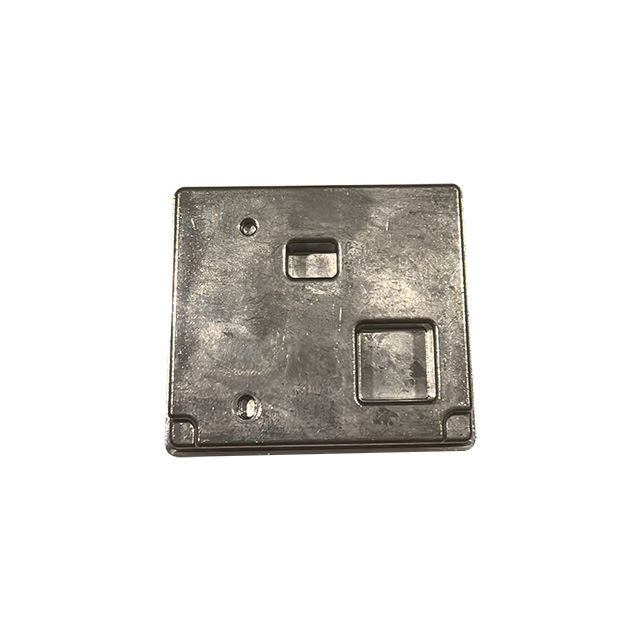
One of the most important aspects of die casting is achieving uniform wall thickness. When parts have inconsistent thickness, it leads to several issues, like warping or defects due to uneven cooling rates. The key is designing parts with walls that are the same thickness throughout, ensuring smooth metal flow and even solidification.
● Why It's Important
Consistency in wall thickness is vital for the overall structural integrity of the part. It helps reduce internal stresses and improves casting accuracy, ensuring fewer defects and higher-quality die-cast components.
● Best Practices
To achieve uniform thickness, designers must avoid thick sections that slow the cooling process. Additionally, gradual transitions between thicknesses should be used instead of sudden changes. Using ribs or gussets in strategic places can also help balance the material flow.
In die casting, draft angles and fillets play a crucial role in ensuring parts eject smoothly from the mold. These design features reduce stress on the mold and prevent parts from sticking.
● Draft Angles
Draft angles are tapered surfaces that make it easier to remove parts from molds. A slight angle (typically 1-3 degrees) on vertical surfaces ensures that parts don’t get stuck during ejection. Properly applied draft angles reduce wear on molds, extending their lifespan and reducing maintenance costs.
● Fillets
Fillets are curved areas that replace sharp corners. They allow smoother metal flow during the casting process and minimize stress concentrations. Sharp edges can cause defects and cracks, while fillets reduce these risks and ensure a better flow of molten material.
Ribs and bosses are critical design elements that help add strength without increasing part weight or complexity. Proper use of these features makes die-cast parts stronger and more efficient, especially in structural components like those found in the automotive industry.
● Adding Strength Without Complexity
Ribs reinforce parts while keeping the design simple. By strategically placing ribs in load-bearing areas, designers can enhance the strength of the part without adding extra material. Bosses, used for mounting holes or other attachments, also need careful placement to avoid increasing mold complexity or adding excess weight.
● Diamond’s Expertise
At Diamond Precision Mold Co., Ltd., the team excels at optimizing rib and boss designs for maximum strength. Their experience with automotive die-casting parts ensures that ribs and bosses are efficiently placed, contributing to the reliability and durability of products like automotive engine components and housing units.
Design Feature | Function | Benefits |
Ribs | Reinforce parts | Increase strength without adding weight |
Bosses | Provide mounting points | Avoid excess material and improve part function |
In die casting, parting lines and ejector pins are inevitable, but their placement requires careful consideration. The parting line is the seam where the two halves of the mold meet. If not positioned correctly, it can leave visible marks or affect the part’s aesthetics.
● Minimizing Visible Defects
The goal is to place parting lines where they won’t be noticeable or interfere with the part’s functionality. Typically, parting lines are placed in non-critical areas, reducing post-processing time and cost.
● Ejector Pin Placement
Ejector pins are used to remove the part from the mold. Like parting lines, their placement is critical to avoid damaging the part or leaving marks in visible areas. Strategically placing ejector pins ensures smooth ejection, reduces the need for secondary operations, and enhances part quality.
Diamond’s advanced die-casting capabilities include expertly placing parting lines and ejector pins, ensuring that parts are clean, precise, and easy to manufacture with minimal post-processing.
DFM analysis is the first step in ensuring that a design is ready for efficient manufacturing. By evaluating a product's design early, we can identify potential issues that could arise during production, saving both time and costs.
● What is DFM Analysis?
It’s an evaluation of the design from a manufacturability perspective, focusing on simplifying production and preventing potential defects. This step involves assessing design features like wall thickness, material flow, and draft angles to ensure they are suitable for the chosen manufacturing process, such as die casting.
● How It Helps Identify Challenges Early
By reviewing the design before any molds or production processes are set, DFM analysis helps detect potential manufacturing issues. For example, overly complex geometries or difficult-to-manage material flows can be identified and adjusted. This reduces costly redesigns later in the process and prevents delays.
Integrating DFM into mold design is essential for optimizing die casting production. If the mold design isn't aligned with manufacturing requirements, production inefficiencies and quality issues are bound to occur.
● Importance of Integration
Combining DFM with mold design ensures that the mold is optimized for ease of production. This means adjusting mold features to match the flow of materials, cooling rates, and ejection paths, reducing the chance of defects. The result is a more efficient production process with higher-quality outputs.
● Diamond’s Mold Design Capabilities
Diamond Precision Mold Co., Ltd. is a leader in integrating DFM principles with mold design. Their team combines advanced mold design with precise die-casting techniques, ensuring every design detail enhances production. Diamond’s expertise ensures better part accuracy, improved mold durability, and cost-effective manufacturing solutions.
Aspect | Importance | Diamond's Approach |
Mold Design | Critical for efficiency and defect prevention | Advanced mold integration with DFM for accuracy |
Material Flow | Ensures uniform material distribution | Optimized for smoother casting and minimal defects |
Cooling Rate | Prevents warping and dimensional errors | Fine-tuned cooling designs for precision results |
Once the design and mold are in place, DFM continues to play a role in refining the production process itself. By adjusting various production parameters, manufacturers can fine-tune results and further optimize cost-efficiency.
● Adjusting Injection Pressure, Cooling Rates, and More
DFM helps guide the adjustment of key factors like injection pressure and cooling rates. For instance, controlling these variables ensures that the molten metal flows uniformly, reducing defects like porosity and ensuring a consistent product shape.
● Fine-Tuning for Precision Die-Casting
Through DFM analysis, production parameters are adjusted for maximum precision. Optimizing these factors results in parts that meet tight tolerance requirements while also reducing scrap and rework.
By incorporating these steps early on, manufacturers can improve the overall efficiency and cost-effectiveness of high-precision die casting. Diamond’s process expertise ensures that each production step, from design to final product, is optimized for precision and durability.
One of the main benefits of DFM is improved product quality. By optimizing design for manufacturability, DFM minimizes the risk of defects such as warping, cracks, and porosity, ensuring that die-cast parts meet the required specifications consistently.
● Minimizing Defects
DFM takes potential issues into account early in the design phase, addressing them before they impact production. This proactive approach results in fewer defects and more reliable, higher-quality die-cast parts.
● Diamond’s Commitment to Quality
Diamond Precision Mold Co., Ltd. uses DFM to enhance the quality of automotive parts like engine components and housings. By integrating DFM principles into their design and production processes, Diamond has improved the consistency of parts used by top-tier automotive brands like Tesla and Volkswagen. Their focus on precision and defect-free parts helps their clients maintain high industry standards.
Benefit | How DFM Contributes |
Consistency | Ensures uniform part quality across batches |
Reduced Defects | Prevents warping, cracks, and porosity |
Improved Reliability | Increases part performance and lifespan |
DFM’s efficiency leads to significant cost reductions. By streamlining the design process, DFM helps manufacturers cut down on rework, material waste, and unnecessary processes, resulting in lower production costs.
● Lowering Production Costs
Through early-stage DFM analysis, potential problems are resolved, minimizing the need for costly revisions. Additionally, optimized designs mean less material waste and fewer defective parts, both of which contribute to reduced production costs.
● Diamond’s Efficiency
Diamond Precision Mold Co., Ltd. has mastered the art of streamlining production using DFM. Their experience has helped reduce lead times for major automotive clients like Tesla, enabling faster time-to-market for new parts. This efficiency not only lowers costs but also allows for quicker adaptation to market demands.
Benefit | DFM Impact |
Cost Reduction | Minimizes waste, rework, and scrap |
Faster Production Cycles | Shortens development and production times |
Improved Efficiency | Increases overall production efficiency |
DFM isn’t just about the initial production—it also enhances the longevity of parts and molds. Proper design adjustments made with DFM principles help parts endure harsher conditions, reducing maintenance costs and increasing their service life.
● Increasing Service Life
Through DFM, manufacturers can design parts to withstand wear and tear, improving their durability. For example, adjusting mold features and selecting the right materials reduces mold wear, extending their service life and reducing costly mold replacements.
● Diamond’s Focus on Durability
Diamond’s application of DFM focuses heavily on durability, especially for high-demand parts like automotive engine components and structural parts. By optimizing designs, they ensure that these components are built to last, even under challenging conditions.
Custom die-casting is a crucial part of the manufacturing process for many industries. DFM ensures that even the most unique designs are manufacturable without compromising quality or performance.
● Balancing Design and Manufacturability
DFM helps designers find the perfect balance between creativity and manufacturability. It ensures that unique parts can still be produced efficiently and meet the desired specifications without sacrificing the final product’s functionality or durability.
By applying DFM principles to custom designs, manufacturers like Diamond ensure that customized die-cast parts are both feasible and cost-effective to produce, even in industries with highly specific requirements.
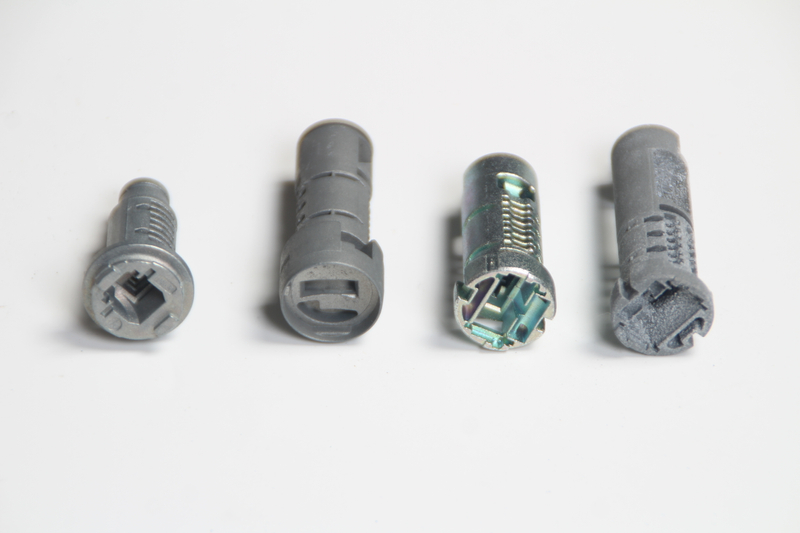
Implementing DFM effectively starts from the design phase. It’s not something to consider only when problems arise during production—DFM should be an integral part of your workflow from the very beginning.
● Start with DFM in the Early Design Stages
By including DFM principles early, you can address potential issues before they become costly. This means designing with manufacturability in mind and aligning your design with production capabilities.
● Iterative Review and Refinement
As the design evolves, it’s crucial to continuously refine it with DFM principles. Regular reviews during design changes help ensure manufacturability is maintained throughout the process.
● Cross-Department Collaboration
Make sure your design team, engineers, and manufacturers are on the same page. This helps identify any manufacturability concerns early, avoiding delays and ensuring the design fits production needs.
Collaboration between all parties involved—designers, engineers, and manufacturers—is essential for successful DFM implementation. Early-stage collaboration minimizes issues that may arise during the die casting process.
● Why Early Collaboration is Important
Engaging engineers and manufacturers from the beginning allows for a seamless DFM application. They can provide real-world insights into the manufacturing process, helping identify potential issues and suggesting improvements early on.
● Feedback Loops
Creating a feedback loop between the design team and manufacturers ensures the design is both innovative and feasible for production. This proactive approach leads to smoother production and fewer reworks.
Modern CAD tools are essential for efficiently applying DFM principles to your die casting projects. These tools help detect manufacturability issues early, saving time and reducing production costs.
● Identifying Issues Early
CAD tools enable designers to visualize the product and simulate how it will be manufactured. This helps identify problems, such as material flow or cooling issues, before the physical production stage.
● Optimization and Precision
Advanced CAD and simulation tools allow for fine-tuning of designs. They can simulate the die casting process, adjusting factors like pressure and cooling rates for optimal results. This leads to higher-quality parts and fewer defects.
● Diamond’s R&D Capabilities
Diamond Precision Mold Co., Ltd. excels in using cutting-edge CAD and simulation tools to streamline the DFM process. Their team leverages these technologies to design and produce high-precision die casting components, ensuring that every part is optimized for both quality and manufacturability. This focus on innovation helps clients achieve faster turnaround times and more reliable parts.
Tool Used | Benefit | Diamond’s Approach |
CAD Software | Early detection of manufacturability issues | Optimizes designs for precision |
Simulation Tools | Simulate material flow and cooling | Fine-tunes production parameters |
Feedback Loops | Improves collaboration between teams | Ensures designs align with manufacturing requirements |
DFM in high-precision die casting improves product quality, reduces costs, and enhances efficiency. It ensures designs are optimized for manufacturability, leading to fewer defects and faster production cycles.
Businesses should adopt DFM principles to streamline their die casting operations. This will lead to better efficiency, lower costs, and higher-quality products.
Diamond Precision Mold Co., Ltd. offers expert DFM optimization services that give clients a competitive edge in the market.
A: DFM focuses on optimizing product designs for manufacturability, considering the production process from the beginning. Traditional design focuses primarily on functionality and aesthetics, with manufacturability often addressed later.
A: Yes, DFM can be applied to various die casting processes, including high-pressure, low-pressure, and gravity die casting. It ensures designs are optimized for each process’s unique requirements.
A: DFM reduces scrap by optimizing designs to minimize defects like porosity and warping. It ensures material flow and cooling are controlled, reducing the need for rework and scrap.
A: Automotive, aerospace, electronics, and industrial manufacturing industries benefit the most from DFM in die casting due to the need for precision, cost efficiency, and high-quality parts.


