
Views: 0 Author: Site Editor Publish Time: 2025-12-04 Origin: Site
You see new energy vehicles driving every day. These vehicles need parts that are light and strong. The parts also need special shapes. Die Casting helps make these parts fast. It also makes them with lots of detail. Advanced alloys like aluminum and magnesium are used. These alloys help build parts that fit electric motors. They also fit battery systems. This process changes how vehicles are designed. It helps make vehicles work better.
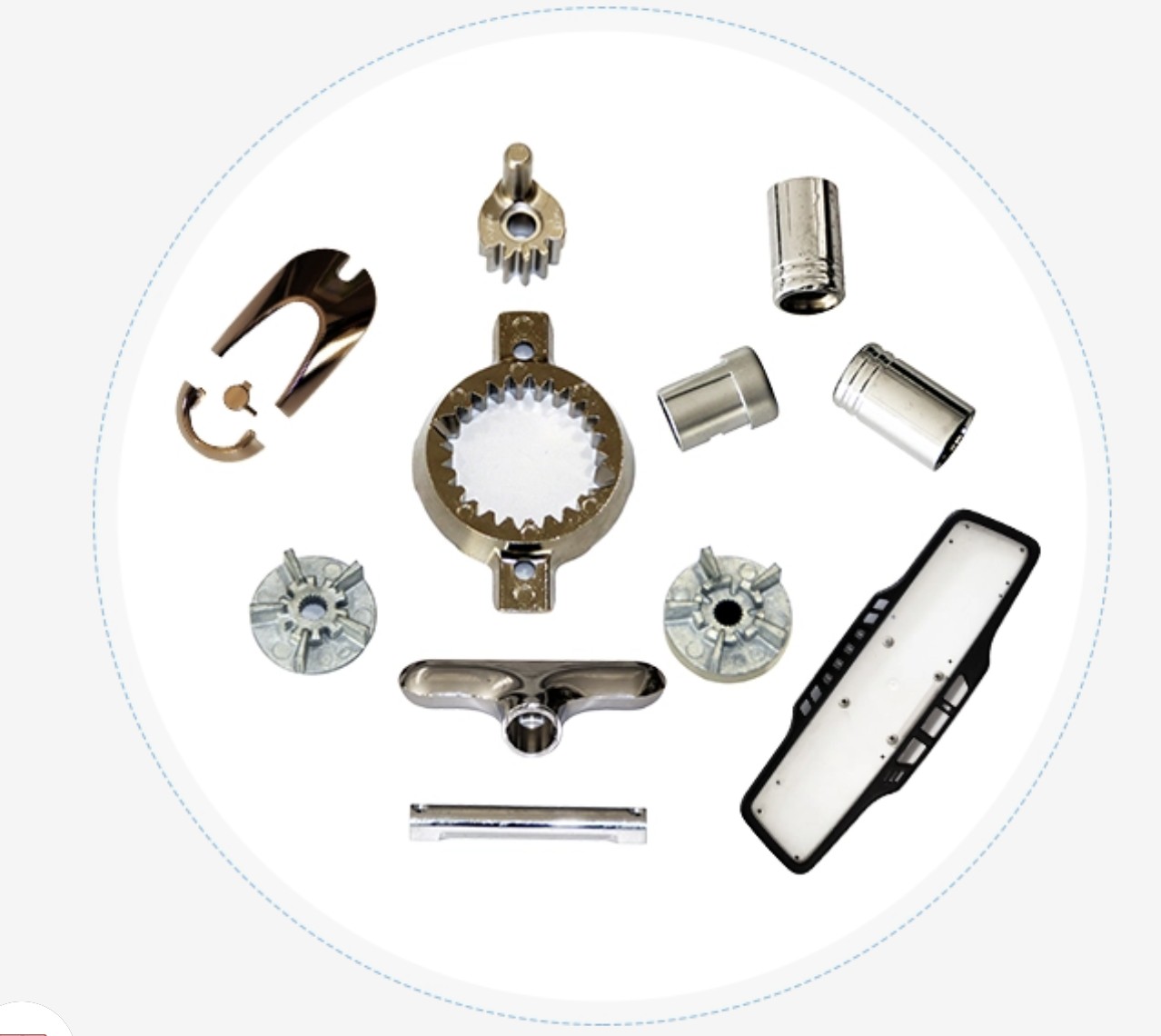
Die casting makes parts that are light and strong. This helps new energy vehicles travel more and last longer. Using special alloys like aluminum and magnesium makes vehicles work better and safer. Die casting lets makers create tricky shapes and thin walls. This gives more choices for design but keeps the quality high. This way, fewer parts are needed, so building vehicles takes less time and costs less money. Die casting uses recycled materials, which helps the planet stay healthy. Sustainability is very important.
You want your new energy vehicle to be light. You also want it to be strong. Die Casting helps make this happen. Lighter parts help your car use less energy. This means your car can go farther. Strong parts keep your car safe. They also make your car last longer.
Lighter parts help your car drive more miles.
Strong parts protect your car’s important systems.
Good parts help your car handle well.
Die Casting uses alloys like aluminum and magnesium. These metals make parts light and tough. You can see many benefits from these metals:
Better fuel efficiency saves energy every time you drive.
Better performance gives you a smoother ride.
Durable parts keep your car in good shape for years.
Here are some alloys used in new energy vehicles:
Alloy | Composition | Key Properties | Applications |
|---|---|---|---|
AZ91 | ~9% Aluminum, ~1% Zinc | Great for casting, strong, resists rust, flexible | Engine parts, transmission cases, structural parts |
AM60 | ~8% Aluminum, ~0.5% Manganese | Strong, easy to shape, resists impacts | Steering columns, seat frames, suspension parts |
AM50 | ~5% Aluminum, ~0.5% Manganese | Stays stable in heat, resists heat | Turbo intake manifolds, engine blocks, diesel cylinder-head covers |
Tip: Picking the right alloy helps you get the best mix of strength, weight, and safety for your car.
You need parts that fit well and work with other systems. Die Casting lets you make shapes and thin walls that other ways cannot do. This helps you design parts that are light and strong. You do not lose quality.
Component Type | Description | Benefits |
|---|---|---|
Engine Blocks | Die Casting makes complex shapes for engine blocks. | Helps engines cool better, last longer, and work well. |
Cylinder Heads | Can have small passages for air, fuel, and coolant. | Makes engines work better and waste less. |
Transmission Housings | Makes parts that fit tight and handle heat and shaking. | Makes thin walls and smooth surfaces, lowers mistakes and weight. |
Chassis Parts | Includes engine mounts, crossmembers, and subframes with extra ribs. | Keeps quality and safety high while making parts light. |
Die Casting helps make parts lighter and work better. For example:
The Chrysler Pacifica’s tailgate uses magnesium die castings. This change replaced nine parts and cut the weight in half.
Tesla uses die-cast technology for the front and rear of its cars. This cut the number of parts from 171 to 2. It also cut the weight by 30%. It removed over 1600 weld joints.
Die Casting helps you build cars that are lighter and stronger. It lets you design better parts. It also helps your car work better.
You want your new energy vehicle to last. The right alloys help make this happen. Die casting shapes strong metals into perfect parts. These parts include engine blocks, transmission cases, and battery housings. Each part helps your car work well.
Here is a table that shows how these alloys help:
Application Type | Performance Benefits |
|---|---|
Engine blocks | Weight reduction, improved fuel economy |
Transmission cases | Enhanced handling, lower emissions |
Battery housings | Essential for performance and efficiency |
Lighter engine blocks use less energy. Transmission cases made with these alloys help your car handle better. They also help your car pollute less. Battery housings keep your battery safe. They help your car run smoothly.
Note: Using the right alloy can help your battery last longer. It can also make your car safer. For example, a die-cast battery housing must stay strong in a crash. It needs to keep the battery cool and safe from heat. Engineers design these housings with cooling channels and strong walls. This keeps your battery safe. It helps your car last longer.
Advanced die casting makes parts even and strong. Your car stays safe and works well, even in tough places.
Your car’s electronics need to be safe and reliable. Die casting combines many small parts into one strong piece. This makes building your car easier. It also helps your car last longer. For example, die casting makes motor housings and electronic enclosures. These protect important systems.
Here are ways die casting helps your car’s electronics:
One die-cast part can replace up to 70 small pieces. This means fewer steps to build your car.
You need fewer robots to build your car. Some factories use 300 fewer robots because of die casting.
Your car’s factory can be 30% smaller. This saves space and money.
Big machines can make four shock towers at once. This makes the process faster.
Die-cast motor housings use light metals like aluminum. These metals move heat away from the motor. This keeps your motor cool and working well. When engineers used a rib-reinforced aluminum shell, the motor housing got 36% lighter. It also managed heat better than old designs.
You also get better safety. Die-cast electronic enclosures protect wires and chips from heat and bumps. They keep water and dust out. Die casting helps your car’s electronics last longer and work better.
Here is a table that shows how die casting helps build cars:
Evidence Type | Details |
|---|---|
Reduction in Parts | Tesla Model Y body-in-white solder joints dropped from 700-800 to just 50. |
Manufacturing Time | Time to build dropped from 1.5 hours to only 3-5 minutes. |
Cost Savings | Less money spent on machines, welding, and workers. |
Material Utilization | Over 95% of the metal gets reused, much more than with old stamping methods. |
Tip: Die casting saves time, money, and materials. You also get a car that is safer and works better.
You want every part in your new energy vehicle to fit perfectly. Manufacturing accuracy helps you reach this goal. When you use die casting, you get parts with tight tolerances. This means each piece matches the design almost exactly. You do not need to worry about gaps or rough edges.
You get smooth surfaces that need little finishing.
You see fewer mistakes in the final product.
You can trust that each part will work as planned.
Note: Accurate parts help your car run better and last longer. You also spend less time fixing problems.
Die casting lets you make parts with fine details. You can add small holes, thin walls, or special shapes. This helps you build lighter and stronger vehicles. You also save money because you do not need extra steps to fix or adjust the parts.
You want to build cars faster and with less effort. Reduced operations help you do this. Die casting lets you combine many parts into one. You do not need to weld, bolt, or glue as many pieces together. This makes your work easier and quicker.
Here is how reduced operations help you:
Benefit | What It Means for You |
|---|---|
Fewer assembly steps | You save time on the factory floor |
Lower labor costs | You need fewer workers |
Less chance of errors | Your cars have fewer weak spots |
Faster production | You get cars to customers sooner |
You also use less energy and fewer materials. This helps you lower costs and protect the environment. When you use die casting, you make your factory more efficient. You also help your team focus on quality instead of fixing mistakes.
Tip: Fewer steps mean fewer problems. You get a better car and a smoother process.
Many big car companies now use new ways to build electric vehicles. They want cars that are lighter, safer, and use less energy. Die casting helps them reach these goals. About 41% of die-cast parts go into battery housings, frames, and powertrain systems. This makes cars both stronger and lighter.
Automakers in Asia-Pacific use die casting the most. They make up 46% of all die-cast use for electric vehicles.
Companies in North America and Europe also use die casting. They want to keep up with new ideas.
More car makers pick die casting to save weight and use less energy.
When you look at the market, you see die casting helps companies build cars faster. This process lets them meet the need for more new energy vehicles.
You can learn from real-life examples. Some car makers changed how they build cars by using die casting. One company replaced many small parts with one big die-cast piece for the frame. This made the car lighter and stronger. It also helped the company use less energy and fewer materials.
Another company used die casting for battery housings. This made the battery safer and helped the car last longer. These changes lead to better cars and happier customers.
Automaker Region | Main Focus Area | Reported Results |
|---|---|---|
Asia-Pacific | Battery housings, frames | Lighter cars, better energy efficiency |
North America | Powertrain systems | Faster production, stronger structures |
Europe | Structural frames | Improved safety, reduced material waste |
Note: Using die casting helps your company stay ahead in the fast-changing world of electric vehicles.
You have to make big choices with die casting. The first problem is spending money. You need huge machines for bigger car parts. These machines help you build cars faster. You also use fewer steps. Aluminum die-casting helps you spend less. It also makes your factory smaller. This makes your job easier and saves money. Electric vehicles let you skip old ways of making cars. You can use new methods that cost less. Companies like Tesla use big die-casting machines. They make fewer parts and need less space.
Bigger machines are needed for large car parts.
Aluminum die-casting lowers costs and factory size.
Electric vehicles help you avoid old assembly lines.
Fewer parts and smaller factories save money.
Scalability has its own problems. You must fix technical issues and keep costs low. The table below shows what you should think about:
Factor | Description |
|---|---|
Technical Bottlenecks | Mold life and heat damage need better materials and coatings. |
Cost and Standardization | High startup costs and no clear design rules slow down die casting adoption. |
Challenges | Integrated casting cuts weight, but mold costs and repairs are still hard to manage. |
You need to beat technical problems to use die casting. Building your own die-casting lines costs a lot. You need smart machines and skilled workers. Some companies build their own die-casting plants. Others buy die-cast parts from experts. Buying from specialists helps you save money. It also lets you focus on making cars. More companies are picking this way.
Building factories and lines costs a lot.
You need advanced machines and equipment.
There are two ways to solve these problems:
Build your own die-casting factory.
Buy die-cast parts from special companies.
Tip: Pick the best way for your business. Buying from experts often saves money and helps you grow faster.
New energy vehicles are changing quickly. Die casting uses new methods to make better cars. Materials like aluminum alloys, magnesium alloys, and composite materials help a lot. These materials make cars lighter and stronger. Cars use less fuel and go faster.
Here is a table that shows how these new ideas help:
Innovation Type | Benefits |
|---|---|
Aluminum Alloys | Cars use less fuel and pollute less. Cars speed up faster. |
Magnesium Alloys | Parts are light and strong. Cars work better. |
Composite Materials | Cars weigh less and stay strong. They handle heat and rust well. |
Factories use new ways to make car parts. Automation helps build cars faster. Machines make parts with the same quality every time. Lightweight parts help cars use less energy. Aluminum parts are strong but do not weigh much.
Evidence Type | Description |
|---|---|
Lightweight Parts | Die casting makes light parts. This helps cars save energy. |
Strength-to-Weight Ratio | Aluminum parts are strong and light. This helps cars perform better. |
Sustainability | Factories use recycled materials. This helps the planet. |
Automation Benefits | Automation makes parts faster and better. |
You want your car to help the planet. Die casting helps make this happen. Factories use more recycled materials now. This saves money and energy. It also makes less waste. These changes help us reuse materials.
Factories use recycled materials.
They save energy.
They use less water.
They pick eco-friendly machines.
Teams work with suppliers and teach them.
Energy-saving machines help the planet. Factories buy machines that use less power. They use solar and wind energy too. Teams try to use less energy and water every day.
New technology helps a lot. Green molding materials and smart cooling save resources. These steps make new energy vehicles cleaner and safer.
Tip: Picking cars made with these new ways helps make the world cleaner.
You can see Die Casting helps make new energy vehicles better. This process makes parts lighter and stronger. It also helps parts work more efficiently. For example, a magnesium alloy seat frame is lighter. It cuts weight by almost 25%. It also makes the seat safer by using smart design.
Key Takeaway | Description |
|---|---|
Lightweight Components | Help cars go farther and stay strong |
Integrated Designs | Make building easier and cars work better |
Sustainability | Use recycled materials and make less trash |
New ideas like automation and green alloys help a lot. As more people buy these cars, new die casting ways help make parts fit better. They also help save materials and make parts stronger.
Die casting is a process where you force molten metal into a mold. You get strong and detailed parts quickly. This method helps you make lightweight and complex shapes for your car.
You use die-cast parts to make your car lighter and stronger. These parts help your car go farther on one charge. They also make your car safer and more efficient.
You often see aluminum and magnesium alloys in die casting. These metals give you a good mix of strength and low weight. They also resist rust and handle heat well.
Tip: Choosing the right alloy helps you get the best performance from your vehicle.
You help the planet by using recycled metals in die casting. This process uses less energy and creates less waste. Factories also use energy-saving machines and smart cooling systems.


