
Views: 0 Author: Site Editor Publish Time: 2026-04-22 Origin: Site
You often see plastics and metals used in automotive connectors. For housings, materials like PPS and LCP are important because they can handle high heat and keep their shape when made. Metals like copper help electricity flow very well, while palladium makes connectors more reliable by plating. Picking the right material for automotive electrical connectors keeps your car safe and stops problems. Important things like conductivity, strength, and resistance to tough car conditions help make sure every connector works as it should.
Pick the right materials for automotive connectors to keep them safe and reliable. Good materials stop electrical problems and help them work better.
Plastics like PA66 and PBT are used for housings because they are strong, light, and resist heat and chemicals. These plastics make connectors last longer and cost less.
Metals like copper and brass are important for contact materials. They help electricity flow well and make connectors last longer.
Plating materials like gold and tin protect metal contacts from rust and help electricity move better. The right plating can make connectors last much longer.
Think about things like how well electricity moves, how well it resists rust, and how strong it is when picking materials. These things affect how well connectors work and how long they last.
Automotive connectors are made from two main types of materials. These are housing materials and contact materials. Each type has a special job in the car’s electrical system.
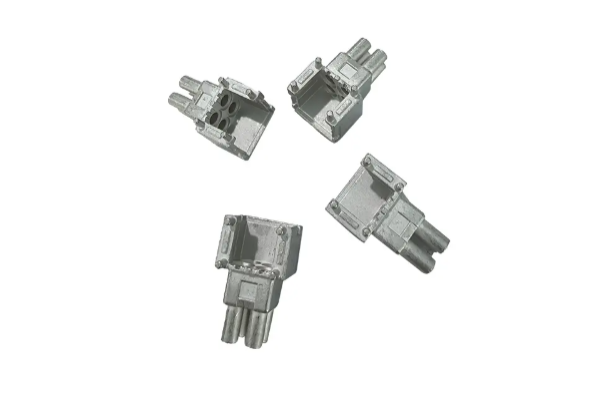
Housings in automotive connectors are usually made from plastics or metals. Plastics like polyamide and PBT make the connector strong and light. Sometimes, metals are used for more strength or to block signals. The housing keeps dust, water, and heat away from the inside parts. It also holds the contacts in place so they do not move.
Note: The housing does more than just cover the connector. It protects the parts and keeps them lined up. This helps stop the connector from coming apart by accident.
Here is why housing materials are important:
They keep out things like dirt, heat, and water.
They help make the connector small and light, which is good for cars today.
They let the connector lock in place so it does not fall out.
Contact materials are metals like copper, brass, or phosphor bronze. These metals let electricity or signals move between wires and devices. Plating materials like tin, gold, or palladium cover the contacts. This stops rust and helps the connector work better.
Contact materials are important because:
They let electricity move easily and quickly.
They do not rust, so the connector lasts longer.
They make sure the connection stays safe and steady.
Connector Type | Key Features |
|---|---|
Power & High-Current Connectors | Thick terminals, strong protection, good cooling |
Signal & Communication Connectors | Accurate, quiet, blocks noise, easy to connect |
Environmental/Sealed Connectors | Rubber seals, high IP ratings, keeps out water and dirt |
Terminal-Style Connectors | Crimp, solder, push-in, easy to fix |
You see these materials in many types of connectors in cars. Picking the right materials makes sure the connectors last long, work well, and keep you safe.
Most automotive connector housings are made from plastics. Plastics are better than metals in many ways. They make connectors lighter and cheaper. Plastics are also easier to shape into different forms. This is why plastics are used so much for automotive electrical connectors. Here are the main reasons why plastics are a good choice:
Advantage | Description |
|---|---|
Cost-effectiveness | Plastics do not cost much and are good for making many parts. |
Durability | Plastics are strong and protect devices from hard hits and tough places. |
Efficient manufacturing | Plastics help make parts faster and cheaper. |
Versatility in design | Plastics can be shaped into many forms and still stay strong. |
Plastics give you strong, safe, and cheap connector housings that last in cars.
Polyamide is also called Nylon 6/6 or PA66. It is a very common plastic for connector housings. You see it in many car parts because it is strong and tough. It does not change shape when it gets hot. This plastic does not get damaged by oils, fuels, or other chemicals. That is why it works well in engine areas.
Property/Advantage | Description |
|---|---|
Strength and Durability | PA66 is very strong and does not break easily. |
Heat Resistance | It stays strong even when it gets hot, so it is good for engines. |
Chemical Resistance | PA66 does not get ruined by oils, greases, or fuels. |
Low Moisture Absorption | It does not soak up much water, so it keeps its shape. |
Enhanced Wear Resistance | PA66 does not wear out fast, so it lasts longer. |
Electrical Insulation | It keeps wires safe by stopping electricity from leaking. |
Ease of Processing | PA66 can be made into many shapes, which saves money. |
Lightweight | It is light but still strong, which is good for cars. |
You will find PA66 in these places:
Application | Benefits |
|---|---|
Braking system | It can handle strong forces, so brakes work well and are safe. |
Engine parts | PA66 is strong and stiff, so it is good for engines. |
Electrical connectors | It is used a lot because it is tough and works well in cars. |
Polybutylene Terephthalate, or PBT, is another plastic used for connector housings. PBT does not catch fire easily and keeps its shape well. It does not change size when it gets hot or cold. PBT also does not get damaged by chemicals and is good at handling electricity.
Benefit | Description |
|---|---|
Flame Retardant Properties | PBT does not burn easily, which makes it safer. |
High Dimensional Stability | It keeps its shape even if the temperature changes. |
Heat Resistance | PBT can handle high heat, so it works in cars. |
Chemical Resistance | It does not get ruined by chemicals, so it lasts longer. |
Electrical Strength | PBT is good at stopping electricity from leaking. |
Economical Molding | It is easy and cheap to make parts with PBT. |
When you look at PBT and other plastics, you see PBT is strong and can take heat.
Property | Polybutylene Terephthalate (PBT) | Other Plastics |
|---|---|---|
Durability | High | Varies |
Heat Resistance | Up to 300°F (149°C) | Varies |
Chemical Resistance | Good | Varies |
Dimensional Stability | High | Varies |
Moldability | Excellent | Varies |
Acrylonitrile Butadiene Styrene, or ABS, is another plastic used in connectors. ABS is good at taking hits and does not break easily. It keeps its shape and strength even when it gets hot. ABS is tough and does not get weak under stress.
Property | Description |
|---|---|
Thermal Stability | ABS stays strong and keeps its shape when it gets hot. |
Impact Resistance | It does not break when hit, so it is good for car parts. |
Durability | ABS lasts a long time, so connector housings stay strong. |
Dimensional Stability | It does not change shape under pressure, which is important for cars. |
Melting Point | ABS melts between 200 and 250°C, so it can take some heat. |
You will see ABS in connectors that need to handle bumps and shocks.
Polycarbonate, or PC, is a clear and strong plastic. You use it when you need a housing that is both tough and light. PC does not break easily and can take some heat. It is easy to shape into many forms. PC is used in connectors that need to be see-through or extra strong.
Polyether Ether Ketone, or PEEK, is a special plastic for tough jobs. You find it in hard automotive uses. PEEK can take very high heat and does not get ruined by chemicals. It can handle a lot of force and does not wear out fast.
Feature | Description |
|---|---|
High Temperature Resistance | PEEK can take a lot of heat, so it works in cars. |
Chemical Resistance | It does not get damaged by strong car fluids. |
Mechanical Stress Resistance | PEEK can handle a lot of force and lasts longer. |
Wear Resistance | It does not wear out fast, so it is good for hard jobs. |
You will see PEEK in parts like:
Thrust washers
Seal rings
Bearings
Gears
Valve components
Sensor housings
Liquid Crystal Polymer, or LCP, is a special plastic for connector housings. You pick LCP when you need it to handle high heat and chemicals. LCP does not soak up much water, so it keeps its shape even when wet. It is light, which helps cars use less fuel. LCP can handle tough places, so it is a smart choice for hard jobs.
Polyphenylene Sulfide, or PPS, is great at fighting off chemicals. You use PPS in connector housings that face strong chemicals or salt. PPS does not react with most chemicals, salts, or bases. This means it stops rust and keeps connectors working for a long time.
PPS is a good choice when you need a housing that can survive in the hardest car places.
When you pick the right plastic, your connectors stay strong and safe. Plastics help cars handle heat and chemicals, and they keep connectors cheap and easy to make.
Metals are very important in a car’s electrical system. They are inside connectors and help electricity move between parts. Using the right metal helps your car start and run safely. Let’s learn about common connector metals and where they are used.
Copper alloys are used in many connectors. These metals let electricity flow easily. They are strong and do not break under pressure. Copper alloys stay strong even when the engine gets hot. You can shape copper alloys into different forms for connectors.
Conductivity: Lets current move fast and steady.
Yield Strength: Stays strong so contacts do not break.
Resistance to Thermal Stress Relaxation: Handles heat without losing shape.
Formability: Easy to make into many shapes.
Copper alloys are used in most connectors because they are strong and conduct electricity well.
Brass is made from copper and zinc. It is used when you want a cheaper material. Brass is common in cars because it costs less and is easy to use. Brass conducts electricity at about 28%. Pure copper conducts at 79%. Brass is not good for high-performance uses.
Brass is not good for high-performance connectors.
It is not best for contacts that are plugged and unplugged often.
Brass has good electrical properties but is not very strong.
Brass is used in connectors where saving money is more important than performance.
Phosphor bronze is another copper alloy. It has copper, tin, and a little phosphorus. Phosphor bronze is strong and conducts electricity well. It does not wear out fast and keeps its shape after many uses. This makes it good for connectors that are used a lot. Phosphor bronze also resists rust, so it lasts longer in tough places.
Beryllium copper is very strong and conducts electricity well. It is used in high-performance connectors, sensors, and ignition systems. This metal works well in harsh places because it stays strong and does not wear out fast. Factories must be careful with beryllium copper. Breathing in beryllium dust can hurt your lungs, so workers use safety steps.
High strength and conductivity for reliable connections.
Used in sensors and ignition systems.
Needs careful handling to keep workers safe.
Copper nickel silicon is a newer metal for connector contacts. It is strong and conducts electricity well. This metal does not rust and works in hot or cold places. It stands up to wear, so connectors last longer.
Property | Benefit |
|---|---|
Electrical Conductivity | Moves electricity well for signals and power. |
Mechanical Strength | Strong and durable, handles stress. |
Corrosion Resistance | Does not rust, good for tough places. |
Thermal Stability | Works well in hot and cold, good for high heat. |
Wear Resistance | Lasts long, needs less fixing. |
Copper nickel silicon is used in connectors that need to last in tough places.
Plating materials cover metal contacts in connectors. These thin layers protect contacts and help them work better. Each plating material has special benefits.
Plating Material | Benefits | Notes |
|---|---|---|
Gold | Stops rust, keeps connections stable | Good for long use in tough places |
Silver | Conducts well, boosts performance | Needs careful handling to stop tarnish |
Tin | Costs less, solders easily | Needs enough force to break oxide |
Palladium | Hard and strong | Often used with a thin gold layer |
Gold-plated contacts have low resistance, good for signals.
Tin-plated terminals cost less and solder easily, but need enough force.
Silver boosts conductivity but can tarnish if not handled right.
Palladium is hard and lasts longer, often paired with gold.
Silver contacts are used most for common connectors. Gold and palladium are used for high-end connectors. Tin is used to save money.
Tip: Picking the right plating helps connectors last longer and work better, even in tough places.
Metal Type | Market Position |
|---|---|
Silver-based | Dominant |
Copper-based | N/A |
Gold-based | N/A |
Palladium-based | N/A |
Others | N/A |
Choosing the right metal and plating helps connectors stay safe and reliable. This keeps your car running well and protects the electrical system.
When picking materials for automotive connectors, you should think about four main things. These things help connectors work safely and last a long time in cars.
Connectors need to move electricity easily. Good electrical conductivity gives your car steady power and signals. Here are some important points:
A steady normal force keeps resistance low.
Contacts must work with different voltages and currents.
Materials should not change shape when hot.
The design should protect against shaking, rust, and wear.
Good copper alloys mix strength and conductivity.
Plating like gold or tin keeps resistance low and steady.
Low-current signal connectors need resistance under 10 milliohms. Power connectors can have a little more, but it must be controlled to stop overheating. High-voltage connectors have strict rules to keep energy loss low.
Connectors in cars face water, dust, and chemicals every day. You need materials that fight rust and damage. Many connectors use sealed housings and special plating to stay safe.
Feature | How It Helps |
|---|---|
Sealed housings | Keep out water, dust, and chemicals |
Proper plating | Stops rust and corrosion |
Controlled assembly | Keeps resistance steady |
You also see high protection ratings like IP67 or IP68. These ratings mean the connector can handle tough places.
Car parts get hot and cold quickly. Connectors must keep working through these changes. Materials like PA66, PBT, and PEEK stay strong in high heat. Plating helps contacts fight rust when temperatures change.
Stable materials keep resistance low.
Contacts must work in both hot and cold.
Good thermal performance stops overheating.
You want connectors that last a long time. Strong materials stop connectors from breaking or wearing out. Copper alloys, phosphor bronze, and beryllium copper give strength and flexibility. Plastics like PA66 and PPS protect against hits and stress.
Tip: Choose materials that fit your car’s needs. This keeps your connectors safe and working well for years.
When you pick materials for automotive electrical connectors, you help keep cars safe. You need to use plastics and metals that are strong and can handle heat. These materials should also resist chemicals and stay stable. Tests are done to see how connectors deal with heat, shaking, and bumps. The table below shows how different material properties change how connectors work:
Material Property | Impact on Performance and Reliability |
|---|---|
Stops damage and helps connectors last longer | |
Wear Resistance | Makes connectors fail less from being used |
Electrical Performance | Keeps power and signals moving without problems |
You must think about what the connector needs and where it will be used when choosing materials.
Plastics are light and strong. You can make them into many shapes. They do not get ruined by heat or chemicals. Using plastics costs less money. That is why most cars use plastics for connector housings.
Metal plating keeps contacts from rusting. It helps electricity move better. Plating like gold or tin makes connectors last longer. You find plating on both high-performance and regular connectors.
Connectors use materials like PA66, PBT, and PEEK. These plastics and metals stay strong in hot and cold weather. They keep working even when the temperature changes fast.
PPS and plated metals stop rust very well. People use them where there is water, salt, or chemicals. These materials help connectors last longer and keep them safe.


